
Australia Post Packaging Costs Explained: What Businesses Need to Know Before Shipping Branded Merch
Understand Australia Post packaging costs and how they affect your branded merchandise budget. Smart tips for businesses shipping corporate gifts.

Written by
Sawyer Abara
Corporate Gifts
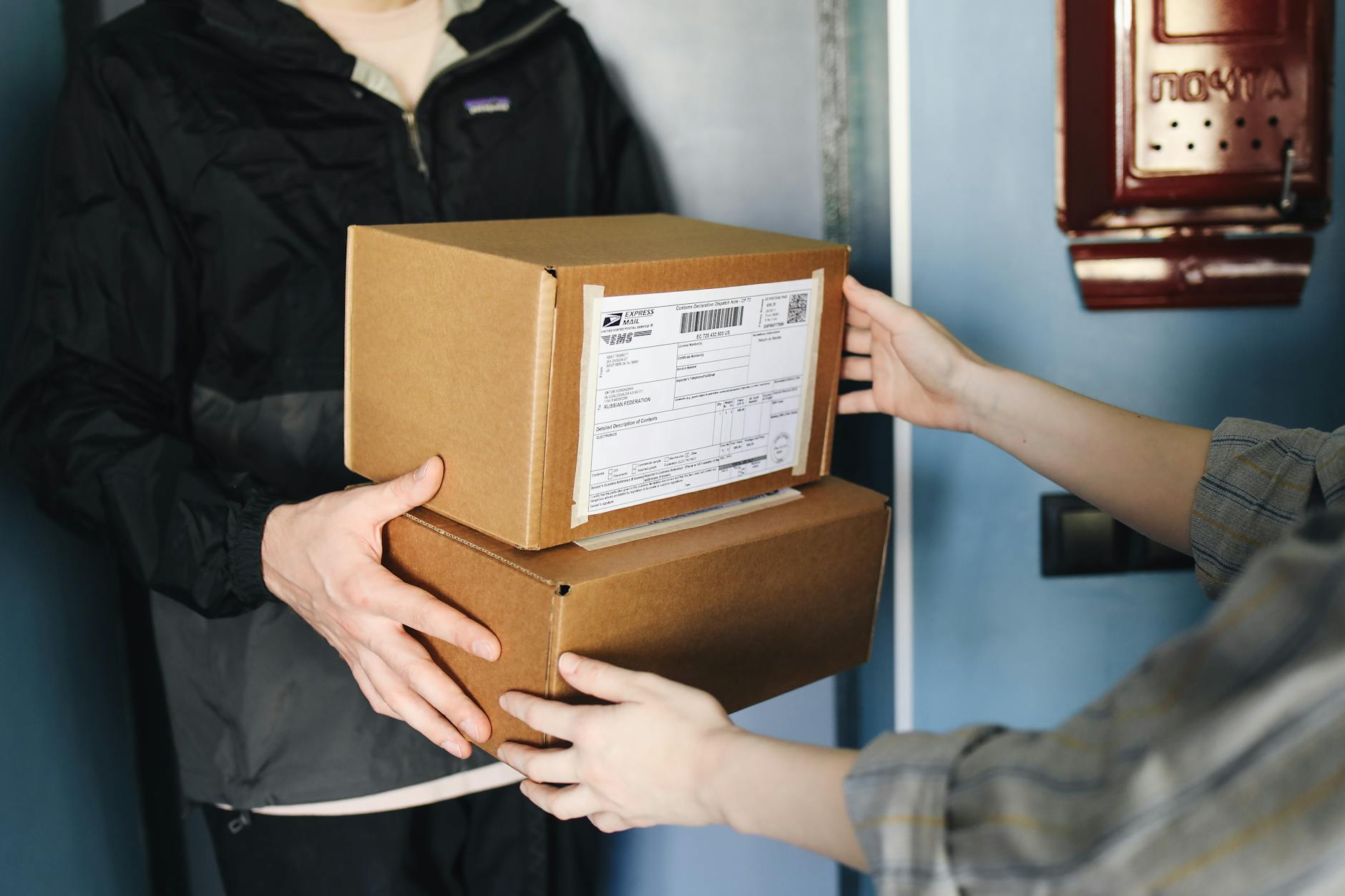
Shipping branded merchandise sounds straightforward — until the invoices start rolling in and you realise the cost of getting your products to their destination can rival what you paid to produce them. For Australian businesses, corporate teams, and event organisers, understanding Australia Post packaging costs isn’t just a logistics exercise. It’s a fundamental part of budgeting for any branded merch project. Whether you’re sending welcome kits to new employees across Melbourne, dispatching corporate gifts to clients in Perth, or shipping event merchandise to delegates attending a Brisbane conference, packaging and postage decisions directly affect your bottom line. This guide breaks down everything you need to know so you can plan smarter, spend less, and ensure your branded goodies arrive looking as polished as your business.
Why Packaging Costs Matter for Branded Merchandise
When businesses budget for a branded merch project, they typically focus on the product itself — the unit cost, decoration fees, setup charges, and any applicable GST. Packaging and freight are often treated as an afterthought, quietly added at the end of the order. This is a costly mistake.
For a corporate gift campaign sending personalised travel mugs or branded keep cups to 200 clients, the difference between sensible packaging choices and careless ones can run into hundreds — sometimes thousands — of dollars. The same applies when you’re distributing items like personalised keyrings as part of a client appreciation campaign, or mailing out custom printed tees to a dispersed team across multiple states.
The key insight is this: packaging weight and dimensions are the two variables that drive most of Australia Post’s pricing. Understanding how these interact allows you to make product, packaging, and delivery choices that keep your campaign budget intact.
How Australia Post Calculates Shipping Costs
Australia Post uses a system based on actual weight versus cubic weight — and charges whichever is greater. This is standard practice across most carriers and often catches businesses off guard.
Actual Weight vs. Cubic Weight
Actual weight is straightforward — it’s what the parcel weighs on a scale. Cubic weight (also called volumetric weight) is calculated using the formula:
Length (cm) × Width (cm) × Height (cm) ÷ 4,000
If your branded merchandise is lightweight but bulky — think custom towel hoodies for adults, womens Nike hoodies, or packaged wine cooler bags — cubic weight will almost certainly be the higher figure, and that’s what you’ll pay for.
Parcel Post vs. Express Post
Australia Post offers two main domestic service tiers:
- Parcel Post — the economy option, suitable for non-urgent deliveries. Transit times vary by destination, typically 2–8 business days.
- Express Post — guaranteed next business day within the Express Post network (metropolitan areas in Sydney, Melbourne, Brisbane, Adelaide, Perth, and Canberra). Costs roughly 30–60% more than Parcel Post for equivalent parcel sizes.
For time-sensitive campaigns — event merchandise that needs to arrive before a conference, or holiday gifts that must reach clients before Christmas — Express Post is often unavoidable. Factor this premium into your budget early.
Size and Weight Tiers
Australia Post structures pricing across size tiers. For standard parcels sent via their online business tools, the thresholds that matter most are:
- Up to 500g
- 500g–1kg
- 1kg–3kg
- 3kg–5kg
- And continuing upward
A single branded drink bottle in protective packaging might sit comfortably in the 500g–1kg tier. Add a custom glassware item and a personalised toiletry bag in a branded gift box and you’ll likely exceed 1kg, pushing you into a higher pricing bracket.
Common Branded Merch Items and Their Packaging Considerations
Understanding how specific product categories behave in transit helps you plan packaging more accurately.
Apparel and Clothing
Garments are among the most postage-friendly items by weight — a mens work polo shirt or a womens rugby t-shirt typically weighs 250–400g before packaging. A pair of custom sports t-shirts folded flat in a polybag and placed in a satchel can often be shipped for minimal cost.
The challenge with apparel is cubic weight when packed in boxes. If you’re sending multiple garments as part of a staff welcome kit, opt for flat-pack mailer satchels where possible — they reduce cubic volume significantly compared to rigid boxes.
Drinkware and Glassware
Drinkware is where packaging costs can escalate quickly. Branded travel mugs need adequate padding to prevent damage in transit, which adds both weight and volume. The same applies to custom glassware. If you’re sending a premium client gift that includes a bottle of wine as a gift alongside branded merch, you’ll need specialist packaging to comply with Australia Post’s fragile item guidelines — and the combined parcel weight will push you well up the pricing tiers.
Practical tip: For fragile drinkware, consider custom-fit foam inserts inside rigid gift boxes. Yes, this adds cost upfront, but it reduces damage rates and the associated expense of replacements and apologies.
Small Accessories and Stationery
Smaller items — personalised glasses cleaner cloths, custom vinyl stickers, branded handbag hooks, and personalised Christmas baubles — are the postage sweet spot. Most will fall below 500g and ship cheaply, even with adequate protective packaging. These product types are excellent choices when budget is a constraint and your campaign requires nationwide distribution.
Smart Strategies to Reduce Australia Post Packaging Costs
Once you understand how costs are calculated, you can actively design your distribution strategy to minimise spend.
1. Right-Size Your Packaging
The single biggest way to reduce packaging costs is to eliminate dead air in your parcels. Oversized boxes filled with void fill inflate cubic weight unnecessarily. Work with your merch supplier to identify the smallest appropriate packaging for each product, and consider whether rigid boxes are truly required or if premium mailer bags will do the job.
2. Consolidate Where Possible
If you’re distributing to offices, schools, or event venues, sending one large consolidated parcel to a single address and asking the recipient to distribute internally is almost always cheaper than sending individual parcels. A Sydney corporate team ordering Nike polo shirts for all staff can receive one bulk delivery to the office, avoiding dozens of individual Express Post parcels.
3. Open an Australia Post Business Account
If your organisation regularly ships parcels, an Australia Post business account offers discounted rates that aren’t available to casual senders. Volume thresholds for discounts vary, but even moderate shipping activity can unlock meaningful savings over time. For event organisers managing multiple campaigns annually, this can represent a significant cumulative saving.
4. Compare MyPost Business vs. eParcel
Australia Post’s MyPost Business platform offers tiered discounts based on quarterly spend. Their eParcel service is geared towards higher-volume shippers and requires integration with fulfilment systems, but offers better per-parcel rates at scale. If you’re shipping more than 50–100 parcels per campaign, it’s worth investigating which option suits your volume.
5. Consider Your Fulfilment Timing
Rushing an order to meet a deadline and needing Express Post nationally is expensive. Build enough lead time into your campaigns — typically 10–15 business days for most branded merch production, plus additional time for delivery — to allow Parcel Post rates rather than Express. This simple discipline can reduce your freight spend by 30–50% on large campaigns.
Packaging Presentation vs. Cost: Finding the Right Balance
There’s a legitimate tension in branded merch distribution between presentation quality and cost efficiency. A premium unboxing experience — custom-printed boxes, tissue paper, branded ribbons, handwritten notes — adds meaningful value to corporate gifts and reinforces your brand identity. But all of those elements add weight, volume, and therefore postage cost.
The answer isn’t to abandon premium packaging. It’s to be strategic. For high-value recipients — key clients, VIP stakeholders, top-performing staff — absorb the premium packaging and postage cost as part of your client relationship investment. For broader distribution campaigns with hundreds of recipients, streamline the packaging without sacrificing the product quality itself.
Planning Your Branded Merch Distribution Budget
When building a budget for any branded merchandise campaign that involves postal distribution, include these cost components from the outset:
- Product unit cost (including any volume pricing tiers)
- Decoration/branding setup fees (screen printing, embroidery, engraving, etc.)
- Packaging materials (boxes, mailers, tissue, void fill, inserts)
- Labour for packing (if your supplier doesn’t offer fulfilment services)
- Postage per parcel (calculated by weight/cubic, destination, and service tier)
- GST on freight (often overlooked)
- Buffer for damaged goods replacement (typically 2–5% on fragile items)
Getting all of these on paper before you finalise product choices allows you to make informed trade-offs. Sometimes swapping a heavier product for a lighter one — say, choosing personalised keyrings over a heavier accessory — saves enough in freight to meaningfully improve your overall budget position.
Conclusion: Key Takeaways
Understanding Australia Post packaging costs is an essential skill for any Australian business, corporate team, or event organiser working with branded merchandise. The businesses that manage this well treat packaging and postage as an integrated part of their merch strategy — not a last-minute add-on.
Here are the key points to remember:
- Cubic weight often matters more than actual weight — bulky, lightweight products like apparel and bags can cost more to ship than their weight suggests.
- Right-sizing your packaging is the single most effective way to reduce postage costs without compromising product quality.
- Express Post premiums are significant — build enough lead time into campaigns to avoid needing expedited shipping wherever possible.
- Business accounts and volume discounts can deliver meaningful savings if your organisation ships regularly through Australia Post.
- Budget for all components upfront — including packaging materials, labour, freight, and GST — to avoid cost surprises that blow out your campaign budget.
Plan well, pack smart, and your branded merch will land in the right hands at the right cost — every time.