
Branded Bike Water Bottles for Cycling Event Sponsors: The Complete Guide
Discover how branded bike water bottles help cycling event sponsors maximise visibility, engage riders, and create lasting impressions at events across Australia.

Written by
Benji Taylor
Tech & Electronics
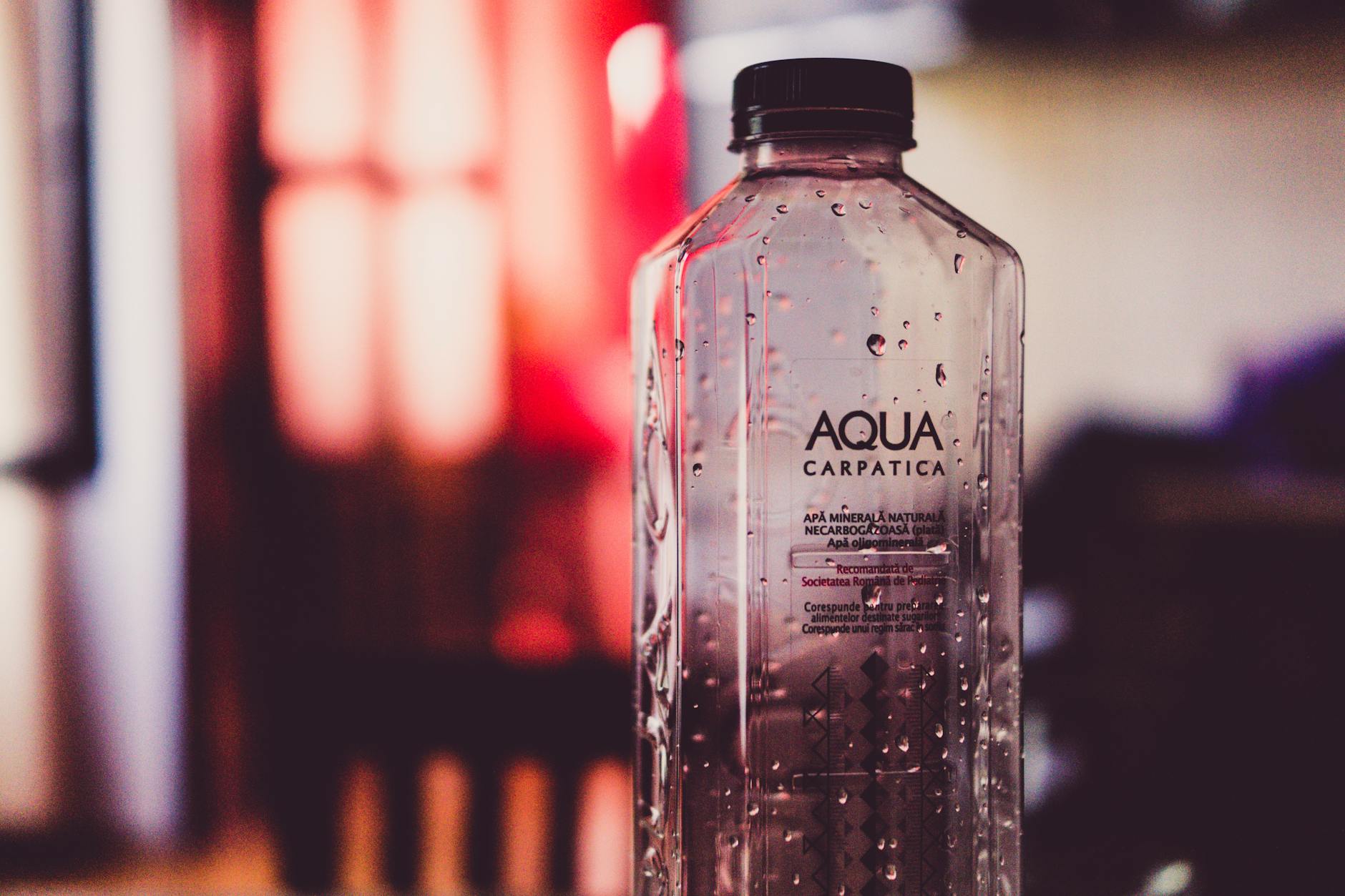
Cycling events across Australia are booming. From the iconic Gran Fondo rides through the Blue Mountains to community charity cycles in Brisbane and Perth, hundreds of thousands of riders clip in each year — and sponsors are increasingly wise to the power of putting their brand directly in riders’ hands. Branded bike water bottles for cycling event sponsors represent one of the most high-impact, practical promotional products available. Unlike a flyer that gets pocketed and forgotten, a branded water bottle travels with a rider for years, appearing at every training session, race day, and commute. If your organisation is considering sponsoring a cycling event or you’re an event organiser looking to attract and reward sponsors, this guide covers everything you need to know about making the most of branded cycling bottles.
Why Branded Bike Water Bottles Are the Smart Sponsor Choice
Sponsorship is ultimately about brand exposure, and few promotional products deliver the kind of ongoing, repeated visibility that a quality bike water bottle does. Consider the practicality alone: cyclists need hydration. A bottle that sits in a cage on a rider’s bike is visible to everyone on the route — other participants, spectators, photographers, and event staff. It’s wearable branding without requiring the wearer to do a thing.
Beyond the event itself, a well-made cycling bottle becomes a regular piece of kit. Riders take them to group training rides, commuting cyclists carry them daily, and weekend warriors use them at every local loop. A Sydney-based sporting goods company that sponsors a 5,000-rider charity ride effectively gets thousands of ambassadors continuing to display their brand long after the event wraps up.
There’s also the perception factor. When sponsors provide genuinely useful, high-quality items, riders associate that quality with the brand. Cheap, flimsy products do the opposite — they get discarded and may even create a negative impression. This is a critical consideration when selecting your bottle specifications.
Understanding the Cycling Bottle Market
Not all water bottles are created equal, and the cycling-specific market has its own expectations. Riders generally look for:
- Squeeze or pull-top lids that allow one-handed drinking without removing the bottle
- BPA-free materials, typically LDPE (low-density polyethylene) or Tritan plastic
- Sizes between 500ml and 750ml, fitting standard road and mountain bike cage dimensions
- Easy-clean construction with wide mouths or dishwasher-safe parts
- Lightweight builds that don’t compromise performance
Stainless steel insulated bottles are increasingly popular in the broader drinkware space, but traditional road cyclists often favour lightweight squeeze bottles for racing. For multi-sport events, gravel rides, or casual community rides, insulated stainless bottles or double-wall plastic options are excellent choices that riders will genuinely treasure. Understanding your audience — whether they’re competitive road cyclists or recreational participants — should inform which product you select.
Decoration Methods for Branded Bike Water Bottles
Getting your logo on a cycling bottle is not a one-size-fits-all exercise. The decoration method you choose significantly affects how the finished product looks, how durable it is, and what your budget will look like per unit.
Screen Printing
Screen printing is the most common method for large runs of cycling bottles. It delivers bold, vibrant colours that pop on the bottle surface and is cost-effective at higher quantities. Most cycling bottle orders of 500 units or more will use screen printing as the default method. It’s ideal for logos with solid colours and defined edges. Spot colour matching using PMS references ensures your brand colours remain consistent across the run. To learn more about how this process works for promotional items, our guide to screen printing services for promotional products in Sydney explains the technical details clearly.
Sublimation Printing
For photographic-quality prints, gradient logos, or full-wrap designs, sublimation is the premium choice. This process bonds ink directly into the surface of the bottle (typically used on coated aluminium or specific plastic materials), creating vibrant, seamless imagery that won’t peel or crack. The trade-off is higher per-unit costs and more limited product compatibility. For headline sponsors wanting a premium, eye-catching product, the investment is often worthwhile.
Pad Printing
Pad printing suits smaller logo placements on curved surfaces and is commonly used for single-colour or two-colour impressions. It’s a cost-effective option for secondary sponsor logos placed in less prominent positions.
Laser Engraving
On aluminium or stainless steel bottles, laser engraving creates an elegant, permanent mark. It’s more suited to premium gifting than mass event giveaways, given the higher cost per unit, but works beautifully for VIP packs or presenting items to key event stakeholders.
Planning Your Branded Bottle Order: Key Considerations
Minimum Order Quantities and Lead Times
Most Australian promotional product suppliers require minimum order quantities (MOQs) starting around 100–200 units for screen-printed cycling bottles, though some products have MOQs as low as 50 for simpler decoration methods. For major events expecting thousands of participants, orders of 1,000 to 5,000 units are common.
Lead times typically range from 10 to 21 business days once artwork is approved, though rush production is available at a premium. For events in Melbourne, Adelaide, or Canberra — where logistics to regional areas may add transit days — allow an extra buffer. Always build in at least 4–6 weeks from the time you engage a supplier to the point of having bottles in hand at the event.
Budgeting Your Bottle Order
Pricing varies depending on bottle type, decoration complexity, and quantity. As a rough guide:
- Basic squeeze cycling bottles (500ml): $3.50–$7.00 per unit at quantities of 500+
- Premium BPA-free Tritan bottles: $6.00–$12.00 per unit
- Insulated stainless steel bottles: $15.00–$28.00 per unit
Setup fees for screen printing typically range from $50 to $150 per colour per print position. Multi-sponsor events often feature multiple logos on a single bottle, so confirm costs for additional print positions upfront.
Managing Artwork and Proofs
Artwork requirements for cycling bottles generally call for vector files (AI or EPS formats) with PMS colour specifications. If your sponsor logos are only available as low-resolution JPEGs, allow extra time for artwork recreation — this is a common bottleneck that delays orders.
Reputable suppliers will provide a digital proof for approval before production begins. Never skip this step. Checking a proof carefully prevents costly errors, especially when multiple sponsor logos are involved.
Multi-Sponsor Events: Balancing Brand Visibility
One of the more delicate challenges for event organisers is accommodating multiple sponsors on a single product. Cycling events commonly have naming rights sponsors, major sponsors, and category sponsors all wanting logo placement on official merchandise.
A sensible hierarchy works best: the naming rights sponsor gets the largest, most prominent placement — typically front and centre. Major sponsors appear on the back or side panels at a smaller scale, and minor sponsors may be grouped in a horizontal strip at the bottle base. Agree on this layout with all parties before briefing your supplier, and share the proof with each sponsor for sign-off.
For events with many sponsors, consider splitting branded items across categories. The naming rights sponsor might exclusively brand the cycling bottles while other sponsors are featured on custom tote bags in participant packs, custom lanyards at registration (like these custom name lanyards used across event check-in scenarios), or other branded items.
Eco-Friendly Options for Conscious Sponsors
Sustainability is no longer a niche concern — it’s a mainstream expectation, particularly among cycling communities, which skew heavily towards environmentally aware participants. Offering eco-friendly branded cycling bottles is a strong statement for sponsors who want their brand associated with positive values.
Options to explore include:
- Bottles made from recycled plastics (rPET)
- Plant-based plastic alternatives
- Reusable aluminium bottles designed for long-term use
- Packaging-free or minimal packaging delivery
If your sponsor or event has broader sustainability goals, it’s worth considering whether other items in participant packs align with those values too — from organic cotton marketing giveaways to sustainably sourced tote bags. Presenting a cohesive, eco-conscious sponsor pack signals genuine commitment rather than a token gesture.
Beyond the Bottle: Building a Complete Sponsor Pack
While branded bike water bottles for cycling event sponsors are often the hero product, the most memorable sponsor packs include complementary items that reinforce brand exposure. A well-considered pack might include:
- Branded cycling bottle (the centrepiece)
- Custom event lanyard for registration and timing chips
- Branded cap or buff
- Participant handbook or event guide
- A small practical accessory like a mini tool kit or chamois cream sachet from a relevant sponsor
The goal is cohesion. Every item should feel intentional and useful, not like it was thrown together to fill a bag. If your event is exploring what other organisations have done well, our overview of promotional product industry trends offers useful context on how the branded merch landscape is evolving.
For events that recognise top performers or community contributors, pairing bottles with acknowledgement pieces like personalised wooden award shields for community service elevates the overall experience for recipients.
Timing Your Order Around the Event Calendar
Australia’s cycling event calendar tends to cluster around spring (September–November) and autumn (March–May), when conditions in most states are ideal. If your event falls in this window, you’re competing with other event organisers for supplier production capacity. Booking your order early — ideally 8–12 weeks out — gives you the best chance of hitting your deadline without rush fees.
Events in Queensland and Western Australia run year-round given the climate, so Brisbane and Perth-based event organisers have more flexibility, but early planning is still advisable for large orders.
Conclusion: Key Takeaways for Cycling Event Sponsors
Branded bike water bottles for cycling event sponsors remain one of the most effective and enduring promotional products in the outdoor events space. When selected thoughtfully and produced to a high standard, they deliver ongoing brand visibility that outlasts the event itself. Before placing your next order, keep these points front of mind:
- Choose the right bottle for your audience — competitive cyclists favour lightweight squeeze bottles; recreational riders appreciate insulated or premium options
- Select a decoration method that suits your design — screen printing for bold, bulk orders; sublimation for premium full-wrap designs
- Plan your order 8–12 weeks before the event to allow for production, proofing, and logistics
- Coordinate multi-sponsor layouts carefully and get written sign-off from all parties before production begins
- Consider sustainability — eco-friendly bottle options resonate strongly with cycling communities and reflect well on sponsors
- Think beyond the bottle — complementary branded items in a participant pack create a richer, more memorable sponsor experience
Whether you’re a Melbourne corporate team exploring event sponsorship for the first time or a Gold Coast event organiser building out your next major cycling series, a well-executed branded bottle order is an investment that keeps paying dividends long after the finish line.