
How to Source Branded Clothing Cheap Without Sacrificing Quality or Impact
Discover how Australian businesses and event organisers can source affordable branded clothing without compromising on quality, style, or brand impact.

Written by
Cleo Wright
Custom Apparel
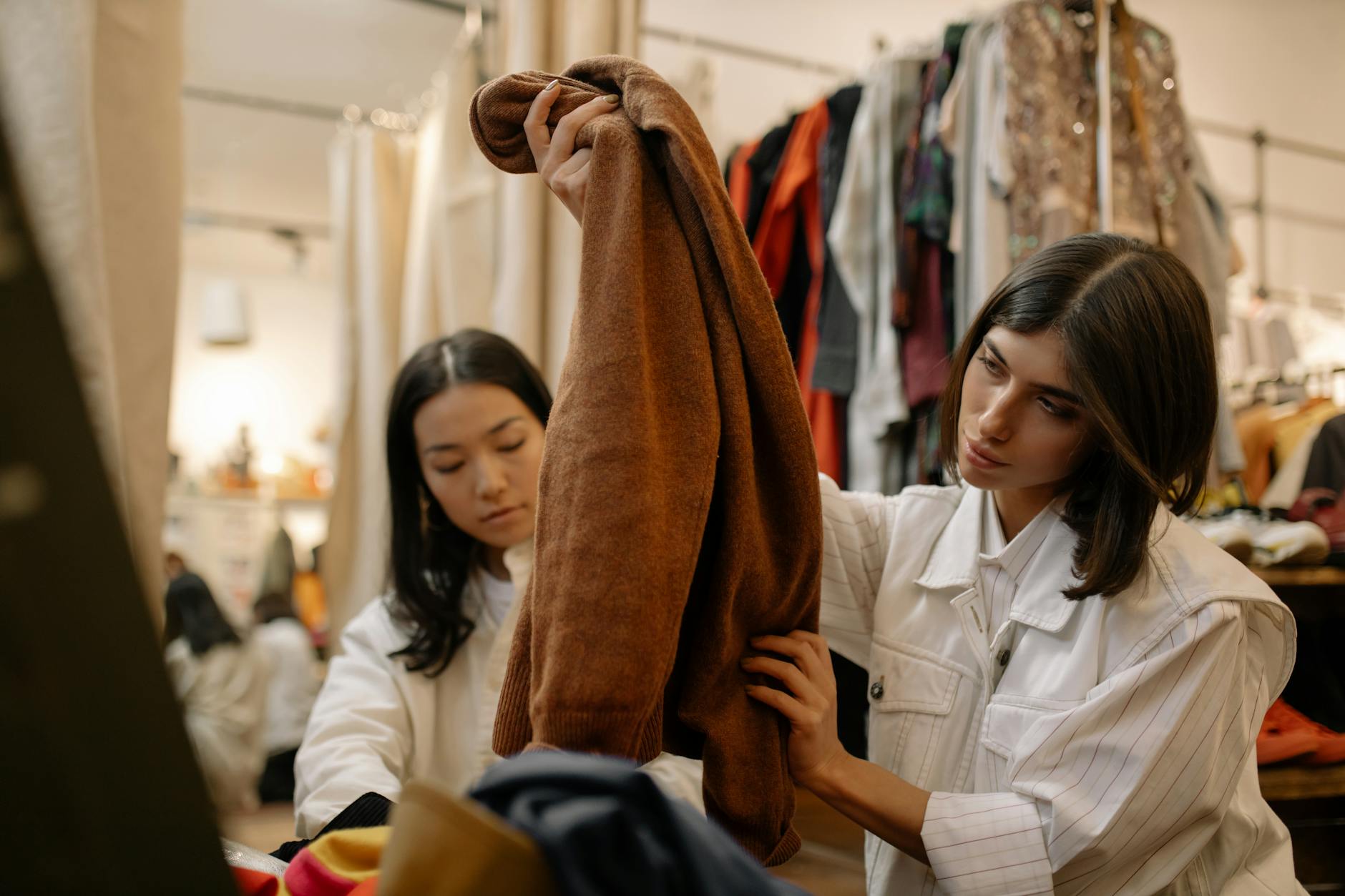
Getting branded clothing cheap is one of the most common goals for Australian businesses, event organisers, and corporate teams — but it’s also one of the most misunderstood. Too often, organisations chase the lowest possible price point only to end up with faded prints, ill-fitting garments, or a product that does their brand more harm than good. The good news? Affordable branded apparel is absolutely achievable when you know how the industry works, what levers to pull, and where smart decisions can save you serious money. This guide breaks down everything you need to know about sourcing quality custom clothing at a price that won’t blow your budget.
Why Branded Clothing Remains One of the Most Valuable Promotional Tools
Before diving into the cost side, it’s worth understanding why branded clothing continues to dominate promotional product spend across Australia. Unlike a brochure that gets tossed or a digital ad that disappears after seconds, a branded t-shirt, polo, or hoodie is worn repeatedly — often in public, often for years. It generates genuine impressions with real people in real settings.
A Sydney tech startup handing out branded hoodies at a product launch, a Brisbane school organising custom sports day tees, or a Perth tradie business kitting out its crew in embroidered polo shirts — all of these scenarios deliver ongoing brand visibility long after the initial investment. And when you compare the cost-per-impression of branded apparel to most other marketing channels, clothing stacks up extremely well.
That value proposition holds even when you’re ordering on a tight budget. You just need to be strategic about it.
Understanding What Drives the Cost of Branded Clothing
To source branded clothing cheap, you first need to understand what makes custom apparel expensive in the first place. Several factors influence your final per-unit cost:
Garment Quality and Blank Selection
The garment itself — before any decoration is applied — is often the biggest cost driver. Premium blank t-shirts from well-known wholesale ranges will cost more than budget alternatives, but they also perform better, wash better, and look more professional. For internal team gear or casual event merchandise, a mid-range blank is usually the sweet spot. For corporate gifting or client-facing applications, investing a little more in the garment is usually worth it.
Decoration Method
How your logo or design is applied to the clothing significantly affects price. Screen printing is typically the most cost-effective method for large quantities with simple, flat colour designs. Our guide to screen printing services for promotional products in Sydney covers this decoration method in depth, but the short version is that screen printing involves a setup fee and becomes far more economical at volume. Embroidery is slightly more expensive per unit but delivers a premium, professional result that’s ideal for polos and workwear. Sublimation, heat transfer, and digital printing each have their own cost profiles and suitability factors.
Order Quantity
This is the most powerful lever you have when it comes to reducing per-unit cost. Branded clothing, like most promotional products, is priced in bulk tiers — the more you order, the cheaper each piece becomes. Most Australian suppliers have a minimum order quantity (MOQ) of around 25–50 units for screen printed garments, though this varies. Ordering 200 shirts instead of 50 can sometimes halve your cost per unit.
Number of Print Colours and Print Locations
A single-colour chest print is far cheaper than a four-colour front-and-back design. Every additional colour in a screen print means another screen, another setup fee, another pass through the press. Simplifying your artwork — even slightly — can meaningfully reduce costs without compromising brand recognition.
Turnaround Time
Rush orders almost always carry a premium. If you need branded clothing in three days, expect to pay more. Planning ahead and allowing standard turnaround times (typically 10–15 business days for most custom apparel orders in Australia) is one of the simplest ways to avoid unnecessary surcharges.
Practical Strategies for Getting Branded Clothing Cheap
Now let’s get into the tactics that actually save money without undermining quality.
Consolidate Your Order
One of the most effective ways to reduce per-unit costs is to consolidate multiple orders into one. If your Melbourne business regularly orders branded polos for new starters throughout the year, consider batching those orders quarterly rather than ordering five shirts at a time every few weeks. The savings on setup fees and unit costs can be substantial.
This principle also applies across departments or teams. If you’re running a conference or event in Adelaide and multiple sponsors or exhibitors want branded apparel, coordinating a combined order can unlock better pricing for everyone involved.
Keep Your Design Simple
Complex, multi-colour designs look impressive on a brief but add real cost to production. For budget-conscious projects, a clean one or two-colour logo on a quality garment nearly always outperforms a complicated design on a cheaper blank. Some of Australia’s most recognisable branded merch is elegantly simple — a well-placed logo on a good-quality tee is often all you need.
If you’re unsure about how to best present your branding within cost constraints, speak with your supplier’s artwork team. They deal with this challenge daily and can often suggest small adjustments that dramatically reduce your setup costs.
Choose the Right Decoration Method for the Job
Don’t default to a decoration method just because it’s what you’ve used before. For a Gold Coast surf school ordering 300 t-shirts for seasonal staff, screen printing makes obvious sense. For a Canberra government department ordering 40 embroidered polos for a delegation, embroidery is worth the slightly higher cost. Matching your decoration method to your use case is a key part of smart budget management. You can also explore UV printing technology for custom promotional merchandise as an option for smaller runs with photographic or full-colour artwork.
Explore Overrun Stock and Clearance Options
Promotional product suppliers occasionally have overrun stock — surplus items from previous production runs — available at significantly reduced prices. These products are brand new and perfectly usable; they simply exist because a client ordered more than they needed. Our article on overrun promotional products for discounted corporate gifts explores how this works and when it can be a smart option for budget-conscious buyers.
Don’t Overlook Tote Bags, Caps, and Accessories as Apparel Alternatives
If your primary goal is brand visibility rather than staff uniform or team identity, consider whether other wearable or carryable items might stretch your budget further. A quality branded tote bag or a reusable shopper bag can carry your logo into more hands at a lower cost than a full garment — particularly useful for events, conferences, and trade shows.
What to Watch Out for When Sourcing Cheap Branded Clothing
Cheap doesn’t have to mean poor quality, but there are genuine risks to be aware of when prioritising price above all else.
Garment Sizing and Fit
Budget garments often have inconsistent or non-standard sizing. This matters less for event giveaways but a great deal for staff uniforms or team apparel. Always request a physical sample or size chart before committing to a large order, especially if you’re working with a new supplier.
Print Durability
Ask specifically about print wash-fastness. A shirt that looks great on delivery but fades after six washes is not a bargain — it’s a waste of money. Reputable suppliers will be able to tell you the ink and process specifications and how the print will hold up over time.
Delivery and Lead Times
When orders are cheap, production and shipping can sometimes be the hidden variable. Clarify where the garments are produced, what the realistic delivery timeline is to your city (whether that’s Darwin, Hobart, or Perth), and what the supplier’s policy is if goods arrive late or with quality issues.
For a broader look at what to consider when selecting promotional products for your business, our guide to promotional gifts for business and our roundup of unique corporate gifts in Australia offer plenty of additional perspective.
Thinking Beyond T-Shirts: Expanding Your Branded Apparel Strategy
Once you’ve nailed the basics of sourcing branded clothing cheap, it’s worth thinking about how apparel fits into your broader merchandise strategy. Branded clothing works best when it’s part of a cohesive brand touchpoint — not an isolated one-off purchase.
Pairing branded tees with items like personalised branded mugs, branded tote bags, or even promotional earbuds creates a merchandise set that feels curated and intentional rather than thrown together. This approach also allows you to spread budget across items at different price points while still delivering a strong overall brand impression.
If you’re interested in how Australian businesses are thinking about branded merchandise at scale, our look at promotional product industry trade show attendance trends and industry consolidation and merger trends offer some useful context on where the market is heading.
And if you’re looking at specific product ranges — from tee brands and garment options to sustainable cotton produce bags for markets — there’s a wealth of territory to explore beyond the standard corporate polo.
Conclusion: Key Takeaways for Sourcing Branded Clothing Cheap
Finding genuinely affordable branded clothing for your Australian business or event doesn’t require cutting corners — it requires making smart, informed decisions at every stage of the ordering process. Here’s what to keep in mind:
- Order in volume wherever possible — bulk pricing tiers are your greatest ally when it comes to reducing per-unit costs on branded clothing cheap orders
- Simplify your artwork — fewer colours and fewer print locations mean lower setup fees and faster production
- Match your decoration method to your use case — screen printing for large runs, embroidery for premium applications, digital printing for smaller quantities with complex artwork
- Plan ahead — avoiding rush fees by allowing standard lead times can save 10–20% on your total order cost
- Sample before you scale — always request a sample or swatch before committing to a large order, particularly when working with a new supplier or garment range
- Think holistically — branded clothing works best as part of a broader merchandise strategy, not as a standalone purchase
With the right approach, branded apparel can deliver outstanding value for your organisation — proving that cheap and quality are not mutually exclusive when you know what you’re doing.