
Bronze Medals for Events and Awards: The Complete Australian Ordering Guide
Everything Australian event organisers need to know about ordering custom bronze medals — from materials and design to MOQs and turnaround times.

Written by
River Chen
Awards & Recognition
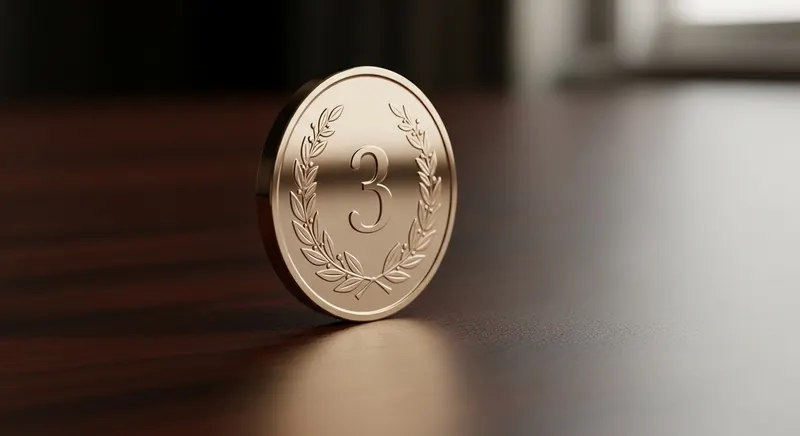
Choosing the right awards for your event can make or break the experience for participants. Whether you’re coordinating a state athletics carnival in Brisbane, running a corporate team challenge in Melbourne, or organising a school swimming competition on the Gold Coast, bronze medals carry a symbolic weight that participants remember long after the event is over. They represent effort, perseverance, and achievement — and for the third-place finisher, they’re every bit as meaningful as gold. Yet despite their importance, bronze medals are often the last item on an event planner’s checklist, and that’s where costly mistakes happen. This guide walks you through everything you need to know to order custom bronze medals confidently, on budget, and on time.
Why Bronze Medals Matter More Than You Think
It’s easy to underestimate the humble bronze medal. The spotlight tends to fall on gold, and silver gets its fair share of attention too. But bronze is the final rung of the podium — and for many competitors, it’s the first time they’ve ever stood on one. That experience sticks.
For corporate event organisers, bronze medals serve an equally important function. Team-based competitions, charity fundraisers, and internal recognition programmes all benefit from tangible awards that employees or participants can take home. Unlike a certificate that gets filed away or a digital badge that disappears in an inbox, a physical medal creates a lasting impression.
The same principle applies to sporting clubs across Australia. A Canberra football club presenting medals at its end-of-season presentation night, or a Perth swimming club handing out awards at the regional championships, understands that the physical award reinforces the culture of recognition that keeps members coming back year after year.
Understanding Bronze Medal Materials and Construction
Not all bronze medals are created equal. When you’re sourcing custom medals, it’s important to understand what you’re actually ordering — because “bronze” can mean different things depending on the supplier.
Die-Cast Zinc Alloy with Bronze Plating
The most common construction for custom event medals is a die-cast zinc alloy base with a bronze electroplated finish. This method allows for highly detailed relief designs, including custom logos, text, and imagery. The bronze plating gives a warm, traditional appearance and is durable enough for long-term display.
Solid Bronze
True solid bronze medals are heavier, more premium, and substantially more expensive. They’re typically reserved for high-prestige competitions, elite sporting events, or long-service corporate awards. If you’re organising a major invitational or need something that communicates genuine prestige, solid bronze is worth the investment.
Stamped Steel with Bronze Finish
For budget-conscious events — think school sports days, club fundraisers, or participation award programmes — stamped steel with a bronze-coloured finish is a cost-effective solution. The quality is noticeably lower, but for high-volume orders (say, 500+ medals for a primary school athletics carnival), the price difference is significant.
Antique Bronze Finish
Antique or antiqued bronze finishes have a textured, aged look that suits heritage-style competitions, formal corporate recognition, and professional associations. The recessed areas are darkened to create depth and contrast, making engraved detail really pop.
Understanding these material differences helps you match your product choice to your event’s tone, audience expectations, and budget constraints.
Customisation Options for Bronze Medals
Custom bronze medals go well beyond stamping a logo on a disc. Today’s decoration technology allows for a remarkable level of personalisation, which is what sets a memorable award apart from a generic one.
Relief Design and Custom Shaping
Most medal manufacturers offer custom die-casting, which means you can create medals in virtually any shape — your club’s logo outline, a trophy silhouette, a map of your state, or a stylised figure representing your sport. Keep in mind that fully custom dies involve a one-off tooling fee, which typically ranges from $200 to $500 depending on complexity.
Engraving and Epoxy Doming
For text details — event name, year, placing, individual recipient names — laser engraving is the most precise and durable option. Epoxy doming (a clear resin dome applied over printed artwork) is popular for full-colour logos and branding, particularly for corporate awards where brand consistency matters.
If you’re interested in how modern printing technology enhances medal and award customisation, our overview of UV printing technology for custom promotional merchandise explains how this method achieves vibrant, durable results on hard surfaces.
Ribbons, Lanyards, and Presentation
The ribbon or lanyard attached to a medal is often overlooked but plays a big role in the overall impression. Custom-woven ribbons in your club, school, or brand colours are available on most medal orders and can feature text or patterns. Presentation cases or velvet pouches add a premium feel, particularly for corporate or gala-style events.
Minimum Order Quantities, Pricing, and Turnaround
Planning your order requires understanding the practical constraints that affect most medal projects.
Minimum Order Quantities (MOQs)
For die-cast custom medals, MOQs typically start at 50 to 100 units. If your event needs fewer than that, consider stock medals — pre-made designs available in smaller quantities — with custom engraving added per unit. For very large events, pricing tiers kick in at 250, 500, and 1,000+ units, where cost per medal can drop significantly.
Budget Expectations
As a rough guide for 2026 pricing in the Australian market:
- Stock medals with custom engraving: $4–$8 per unit
- Die-cast zinc alloy with bronze plating: $8–$18 per unit (depending on size and complexity)
- Premium or solid bronze: $25–$80+ per unit
- Tooling/die fees for custom shapes: $200–$500 (one-off)
Always request an itemised quote that includes setup fees, artwork costs, and freight — particularly if you’re ordering from interstate.
Turnaround Times
Standard production for custom medals runs at approximately 3–5 weeks from artwork approval, with freight time added on top. If you’re in Adelaide or Darwin and ordering from an eastern-seaboard supplier, factor in 3–5 extra business days for delivery. Rush orders (1–2 week turnaround) are possible with some suppliers but typically attract a premium of 20–30%.
Build your order timeline backwards from your event date, and always leave at least a week’s buffer for unexpected delays.
Artwork and Proof Approval: Getting It Right First Time
Submitting correct artwork is one of the single most important steps in the medal ordering process. Mistakes at this stage cause delays and can result in incorrect medals — an expensive and stressful outcome for any event organiser.
Most manufacturers require vector files (AI, EPS, or PDF formats) for any engraved or relief design work. For epoxy-domed elements, high-resolution PNG or PDF files with PMS colour references ensure accurate colour matching.
Before your order goes into production, you’ll receive a digital proof for approval. Review it carefully — check spelling, spacing, year references, and the placement of all design elements. It’s worth having a second person review the proof, as familiarity with the design can make it easy to miss errors.
Pairing Bronze Medals with Complementary Awards and Recognition Items
Medals rarely stand alone in a well-organised awards programme. Consider how your bronze medals fit within a broader recognition strategy.
For corporate events, pairing medals with unique corporate gifts in Australia creates a cohesive awards experience. A branded keep cup, for instance, makes an excellent companion gift for podium finishers — functional, memorable, and something they’ll use daily. Our guide to personalised travel mugs and travelling mugs covers some popular options in this category.
For sporting events, practical items like custom water bottles and Australian water bottle options are perennial favourites as part of a medal package or participant gift bag. Similarly, branded tote bags make excellent carry-home items for event participants, particularly at multi-day competitions or expos.
If your event includes a social component — a gala dinner, end-of-season function, or charity auction — wine as a gift or a quality wine bag cooler pairs well alongside physical awards for senior recipients or VIP categories.
For sporting clubs that also handle uniform and apparel, check out our guides on t-shirts for sports and men’s work polo shirts for complementary branded gear to go alongside your awards programme.
It’s also worth thinking beyond the event itself. Participants who receive quality branded merchandise — including medals — become ambassadors for your organisation. This connects to a broader recognition culture that extends well beyond a single event.
Eco-Friendly Medal Alternatives
Sustainability is an increasingly important consideration for Australian organisations, and the awards category is no exception. If your organisation has environmental commitments or your audience is particularly values-conscious, there are several eco-friendly medal and award options worth exploring.
Recycled metal medals, bamboo awards, and sustainably sourced timber plaques are available through specialist suppliers. Bamboo award plaques, in particular, offer a beautiful natural aesthetic and laser-engraving capability. Our guide to sustainable promotional products covers the broader principles of sourcing responsibly, and if you want to pair eco awards with sustainably produced merchandise, our article on sustainable branded cotton produce bags for markets is worth a read.
Conclusion: Key Takeaways for Ordering Bronze Medals in Australia
Bronze medals are a meaningful investment in recognition culture, and getting the order right requires planning, attention to detail, and an understanding of what’s available in the Australian market. Here’s a summary of the most important points to take away:
- Match the medal construction to your budget and event prestige — die-cast zinc with bronze plating suits most events, while solid bronze is reserved for high-end or prestigious occasions.
- Plan your order at least 6–8 weeks before your event — custom medals require production time, and freight adds days for regional and interstate deliveries.
- Submit correct, vector-format artwork and review your proof carefully — errors caught before production save significant time, money, and stress.
- Factor in all costs — tooling/die fees, setup charges, ribbons, presentation cases, and freight all add to the per-unit cost, so request itemised quotes.
- Consider pairing medals with complementary branded merchandise — a cohesive awards package creates a far more memorable experience for recipients.
Whether you’re honouring third-place finishers at a Sydney corporate challenge or presenting medals at a Hobart school swimming carnival, a well-chosen bronze medal delivers recognition that lasts long after the event is over.