
How to Choose the Right Promotional Products for Every Marketing Channel
Discover how to match promotional products to your marketing channels for maximum ROI. A practical guide for Australian businesses and event organisers.

Written by
Ned Murray
Buying Guides & Tips
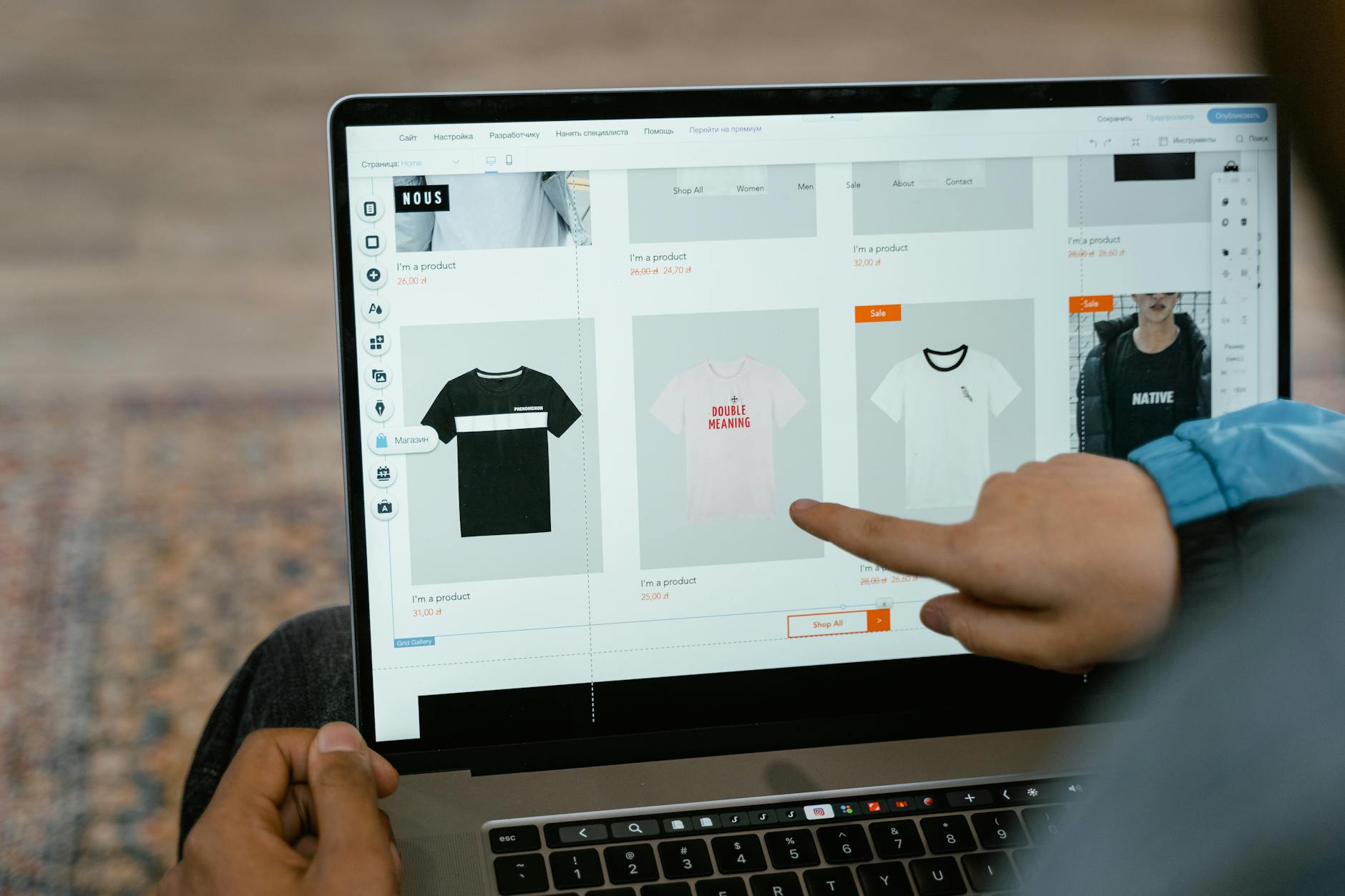
Choosing the right promotional product is only half the battle. The other half — the part that separates a forgettable giveaway from a genuinely effective marketing tool — is matching that product to the right channel. Whether you’re running a trade show stand in Melbourne, launching a social media campaign in Brisbane, or onboarding new clients across Sydney, choosing promotional products for different marketing channels can dramatically change the impact your branded merchandise has on your audience. Done well, the right product in the right context builds brand recall, drives engagement, and delivers measurable return on investment. Done poorly, it’s just another branded pen lost under a desk.
This guide breaks down how to think strategically about promotional product selection across the marketing channels most relevant to Australian businesses, corporate teams, and event organisers.
Why Marketing Channel Context Matters for Promotional Products
Not all promotional products are created equal — and more importantly, not all of them travel well across different touchpoints. A beautifully branded insulated keep cup makes perfect sense as a corporate onboarding gift, but it’s going to create logistical headaches if you’re trying to hand them out at a busy outdoor festival in Perth. Context shapes everything: the physical setting, your audience’s mindset, the message you’re trying to send, and the practical constraints around distribution and budget.
Before selecting any product, it helps to ask four foundational questions:
- Who is receiving this product, and what matters to them?
- Where and how will the product be distributed or experienced?
- What impression do you want to leave?
- What’s your per-unit budget, including decoration, packaging, and freight?
Answering these questions honestly will steer you away from impulse purchases and towards merchandise that actually works.
Choosing Promotional Products for Events and Trade Shows
Trade shows and expos are arguably the highest-stakes channel for promotional products. You’re in a room — or a convention centre — full of competitors, all vying for the same attention. Your product needs to attract people to your stand, get picked up, kept, and ideally talked about.
At events, portability and practicality rule. Products that are lightweight, useful on the day, and easy to carry home perform best. Think branded tote bags, lanyards, notebooks, pens, and reusable drinkware. If you’re exhibiting at a tech or innovation expo, personalised earbuds or other tech accessories can turn heads and position your brand as forward-thinking.
Decoration method matters here too. Products destined for event giveaways are often produced in large volumes, so cost-effective methods like screen printing services or pad printing make sense. For a premium feel on smaller runs — say, VIP delegate bags — embroidery or laser engraving elevates perceived quality.
Key Tips for Event and Trade Show Merchandise
- Set a tiered product strategy: a high-volume low-cost item for all visitors, and a premium item reserved for qualified leads or VIPs
- Order early — turnaround times can blow out during peak conference season (March to May and September to November in Australia)
- Make sure your artwork is print-ready before you place the order; most suppliers require vector files
- Consider sustainable options like branded reusable shopper bags or sustainable branded bags — they reflect well on your brand and align with the values of modern audiences
Direct Mail and Corporate Gifting Channels
Direct mail has seen a resurgence in Australia, particularly in B2B contexts where physical touchpoints cut through digital noise. Pairing a personalised letter or proposal with a quality branded gift dramatically increases open rates, response rates, and memorability.
In this channel, quality significantly outweighs quantity. You’re typically sending to a curated list of prospects or clients, so a higher per-unit investment is justified. Products that feel premium and personal — such as unique corporate gifts — signal that you’ve put thought into the relationship.
Good direct mail merchandise tends to be compact and robust enough to survive shipping. Think custom notebooks, branded desk accessories, personalised wine glasses for client appreciation sends, or even something unexpected like personalised letter openers for a professional services audience. If you’re in the automotive space, something niche like personalised licence plate frames can make a strong brand statement when sent to dealership partners or fleet clients.
For packaging, don’t underestimate the unboxing experience. A well-presented gift in branded tissue paper or a custom box elevates the entire interaction, especially if you’re targeting senior decision-makers.
Choosing Promotional Products for Digital and Social Media Campaigns
This is one of the most exciting — and most misunderstood — channels for promotional merchandise. When choosing promotional products for different marketing channels like Instagram, LinkedIn, or email marketing, the product itself is only part of the story. The visual of the product needs to photograph well, align with your brand aesthetic, and feel shareable.
Colour, texture, and design coherence matter enormously here. A flat-lay of beautifully branded merchandise — think a matching set of keep cup, notebook, and tote bag in your brand palette — performs far better on social than a single pen photographed on a desk.
For social-driven campaigns, consider:
- Limited edition or seasonal products that create urgency and FOMO
- Eco-friendly items that generate positive brand association — sustainable branded cotton produce bags are a great example of a product that resonates with socially conscious audiences
- Drinkware — our promotional drinkware survey results confirm that branded cups and bottles are among the most retained and shared promotional items in Australia
- Custom phone accessories like personalised phone cases that your audience will actually use in daily life and appear in organic social content
If you’re running a social media competition or giveaway, ensure the product is visually distinctive and clearly branded — it should be immediately recognisable as yours in a photo.
In-Store, Retail, and Experiential Marketing Channels
For brands operating in physical retail environments, promotional products serve a dual purpose: they reward purchase behaviour and they extend brand presence beyond the store. Experiential activations — pop-up events, product launches, brand immersions — benefit enormously from well-chosen merchandise because participants are already emotionally engaged.
In these settings, items that tie directly to the brand’s product category work best. A café launching a new blend might distribute branded keep cups or wholesale personalised mugs. A health food brand might opt for reusable produce bags. A tech retailer could lean into UV-printed custom accessories that showcase the quality of their printing in a tactile, memorable way.
Experiential Activation Checklist
- Ensure the product is functional and relevant to your brand story
- Match the decoration method to the product material for best visual results
- Consider packaging or presentation that enhances the in-store experience
- If budget allows, offer personalisation on the day (live laser engraving or printing is increasingly popular at premium activations)
Employee and Internal Communications Channels
Don’t overlook the internal audience. Employee engagement merchandise — for onboarding kits, milestone recognition, team events, or internal campaigns — is a rapidly growing segment of the promotional products market. When people feel proud to carry or wear something from their employer, it also becomes external brand exposure.
For onboarding kits, think practical and premium: branded notebooks, quality apparel from trusted tee brands, keep cups, and tech accessories. For recognition and milestone gifting, personalised wooden award shields or engraved items carry emotional weight that a generic gift card simply can’t replicate.
Workplace safety sectors — manufacturing, construction, logistics — have their own promotional product needs. Items like promotional first aid kits serve a practical function while reinforcing safety culture and brand presence on the worksite.
Budgeting Across Multiple Channels
One of the most common mistakes organisations make is allocating the same budget per item regardless of the channel. A smarter approach is to tier your investment based on the strategic value of each touchpoint:
| Channel | Suggested Per-Unit Budget | Volume |
|---|---|---|
| Trade shows (general) | $2–$8 | High (500+) |
| Trade shows (VIP/leads) | $15–$40 | Low (50–150) |
| Direct mail / client gifting | $20–$80+ | Low to medium |
| Social media giveaways | $10–$30 | Medium |
| Employee onboarding | $30–$100+ | Medium |
| Experiential activations | $5–$25 | Medium to high |
These are general guides — your actual budget will depend on your brand positioning, the nature of your audience, and your overall campaign objectives. It’s also worth keeping across the latest shifts in the promotional product industry and trade show attendance trends to understand how the landscape is evolving and where to focus your investment.
Bringing It All Together
Strategic alignment between your product choice and your marketing channel isn’t just good practice — it’s the difference between merchandise that works and merchandise that gets forgotten. When you take the time to match the right product to the right context, you maximise both the reach and the resonance of your branded investment.
Explore the full range of promotional gifts for business and branded tote bags that suit a variety of marketing contexts, and consider consulting with a specialist who can help you map products to your specific campaign needs.
Key Takeaways
- Context is everything — always consider the physical setting, distribution method, and audience mindset before selecting a product
- Tier your budget — invest more in channels with higher strategic value, such as client gifting and VIP event merchandise
- Match decoration to volume and quality expectations — screen printing for high-volume events, engraving or embroidery for premium gifts
- Think visually for digital channels — merchandise for social media campaigns should photograph well and align with your brand aesthetic
- Sustainability resonates across all channels — eco-friendly products are increasingly expected by Australian audiences and reflect positively on brand values