
Eco-Friendly Apparel in Melbourne: A Complete Guide for Businesses and Corporate Teams
Discover how Melbourne businesses can source eco-friendly apparel that aligns with sustainability goals, impresses clients, and builds brand identity.

Written by
Ariana Osei
Eco & Sustainable Products
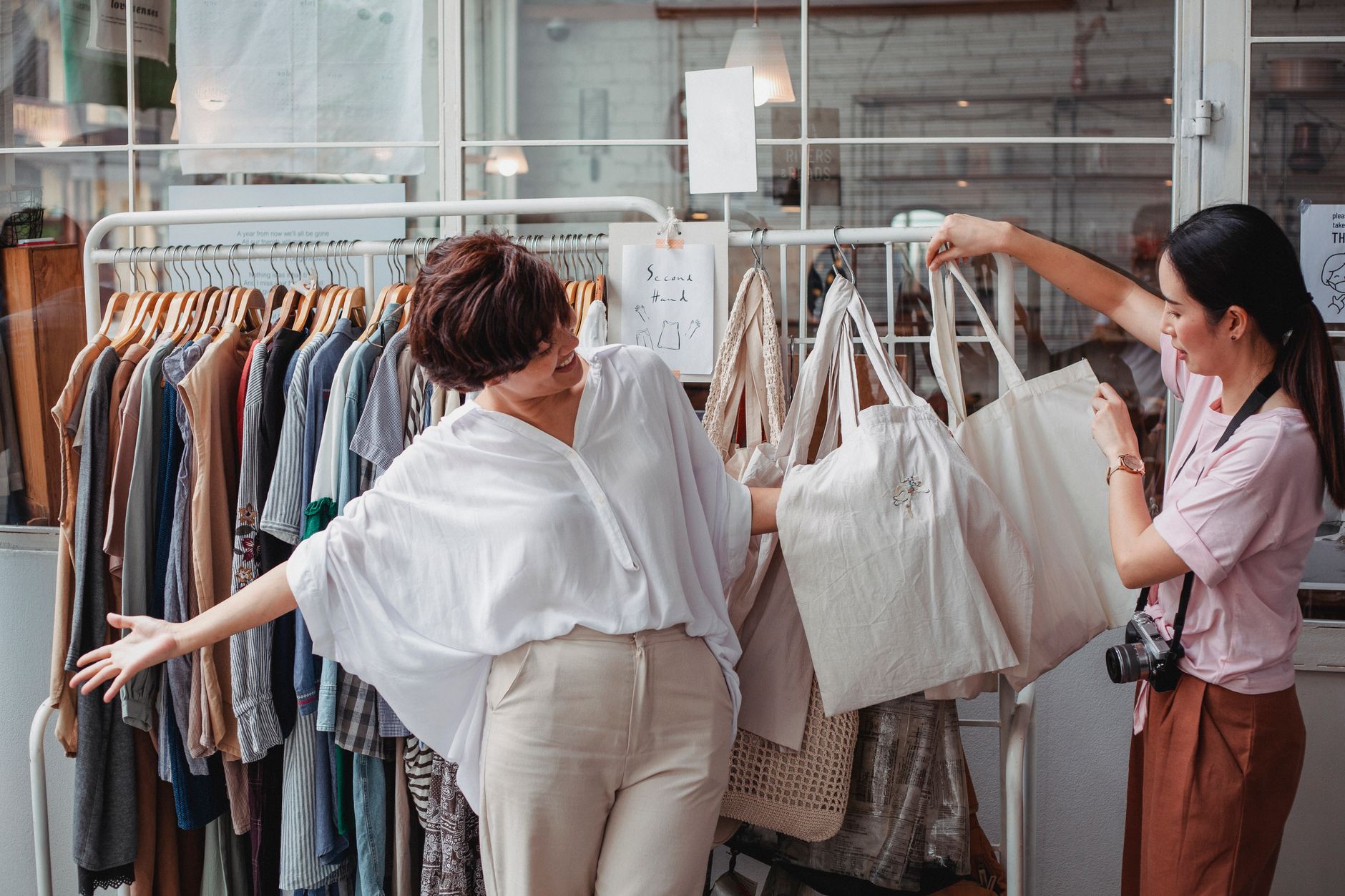
Melbourne has always been ahead of the curve when it comes to sustainability. From inner-city cafés serving oat lattes in compostable cups to councils rolling out ambitious zero-waste targets, the city’s progressive culture extends naturally into the workplace — and into how businesses present themselves through branded merchandise. If your organisation is looking to make a genuine environmental statement without sacrificing quality or visual impact, eco-friendly apparel in Melbourne offers a compelling solution. Whether you’re a corporate team planning your next conference, an event organiser sourcing branded giveaways, or a business looking to refresh your staff uniforms, this guide will walk you through everything you need to know.
Why Melbourne Businesses Are Choosing Eco-Friendly Apparel
The shift toward sustainable branded apparel isn’t just a trend — it’s a response to measurable changes in stakeholder expectations. Employees increasingly want to work for organisations that align with their values. Clients and customers are scrutinising supply chains. And with Australia’s growing focus on environmental accountability, businesses that demonstrate proactive sustainability efforts are winning both talent and contracts.
Melbourne, in particular, sits at the epicentre of this shift. The city is home to a significant concentration of B Corporations, sustainability-certified businesses, and purpose-driven brands. For these organisations, handing out conventional promotional apparel made from virgin polyester or non-certified cotton feels inconsistent with their core identity. Eco-friendly alternatives — think organic cotton tees, recycled material hoodies, and GOTS-certified polos — allow them to stay on-brand in every sense of the word.
There’s also a practical business case. High-quality sustainable garments tend to have a longer lifespan than cheaply made alternatives, which means recipients wear them more often and for longer. That’s more brand impressions per dollar spent — a metric that any marketing manager can appreciate.
What Makes Apparel Truly Eco-Friendly?
Before diving into product selection, it’s worth understanding what “eco-friendly” actually means in the context of branded apparel. The term gets thrown around loosely, so knowing what to look for will help you make genuinely responsible choices rather than falling into greenwashing territory.
Fabric Certifications and Material Types
The most meaningful eco-friendly apparel is made from certified sustainable materials. Here are the key ones to look for:
- Organic cotton — Grown without synthetic pesticides or fertilisers, certified under GOTS (Global Organic Textile Standard) or OCS (Organic Content Standard). It’s softer, breathable, and far less damaging to soil and waterways than conventional cotton. For a deeper look at how organic cotton works in branded merchandise, our guide to organic cotton marketing giveaways in Australia is a great starting point.
- Recycled polyester (rPET) — Made from post-consumer plastic bottles or textile waste. It reduces landfill, cuts energy use in manufacturing, and performs comparably to virgin polyester for activewear and event tees.
- Bamboo fabric — Fast-growing, low-water, naturally antibacterial, and biodegradable. Increasingly popular for corporate polos and casual tees.
- Hemp — One of the most sustainable fibres available, requiring minimal water and no pesticides. Still emerging in branded apparel but growing in popularity.
- Recycled cotton blends — Made from reclaimed textile offcuts, these reduce fabric waste significantly and are a cost-effective option for budget-conscious buyers.
Decoration Methods and Their Environmental Impact
The garment itself is only part of the equation. How it’s decorated matters too. Water-based inks used in screen printing are significantly less harmful than plastisol inks. Similarly, digital printing with eco-solvent or water-based inks generates far less chemical waste. If you’re considering embroidery for corporate polos or staff uniforms, it produces no chemical waste at all — making it one of the cleanest decoration methods available.
If you’d like to understand decoration options more broadly, our overview of screen printing services for promotional products in Sydney covers the key processes in helpful detail, much of which applies equally to Melbourne suppliers.
Popular Eco-Friendly Apparel Categories for Melbourne Organisations
With a clear understanding of materials and certifications, let’s look at the specific apparel categories that Melbourne businesses are gravitating toward.
Organic Cotton T-Shirts and Event Tees
The humble t-shirt remains the backbone of promotional apparel. Organic cotton versions are widely available in a range of weights (typically 150–200 GSM), colours, and cuts. They’re ideal for:
- Corporate events and conferences — A quality organic tee handed out at a Melbourne conference positions your brand as thoughtful and forward-thinking.
- Staff onboarding kits — Sustainable branded apparel as part of a welcome pack communicates company values from day one.
- Community and charity events — Organisations running fundraisers or awareness campaigns can align their message with their materials.
Minimum order quantities (MOQs) for organic cotton tees typically start around 25–50 units, making them accessible for small teams and large events alike.
Recycled Polyester Activewear and Sports Tops
Melbourne’s active corporate culture — think company fun runs, charity walks, and team sports — creates strong demand for sustainable activewear. Recycled polyester performs exceptionally well in moisture-wicking activewear and is now available in a wide colour range with excellent print receptivity for both sublimation and screen printing.
For sporting clubs and corporate wellness programs, recycled poly tops offer a performance garment with a sustainability story — exactly the kind of dual value that justifies a slightly higher per-unit cost. Speaking of team spirit, if you’re exploring broader branded merchandise for workplace culture, check out our guide to footy finals branded office merchandise for inspiration.
Sustainable Polos and Corporate Uniforms
Polos are the go-to garment for client-facing staff, trade show teams, and corporate uniforms across industries. Organic cotton and bamboo-blend polos are now widely available and offer a professional finish that’s comparable to conventional options. Embroidery is the preferred decoration method for polos, delivering a premium, long-lasting result with no chemical waste.
For Melbourne businesses with sustainability reporting requirements — particularly those in financial services, professional services, or the public sector — sourcing certified sustainable uniforms can contribute meaningfully to ESG (Environmental, Social, and Governance) reporting metrics.
Eco-Friendly Caps and Headwear
Often overlooked, caps are a high-visibility branding opportunity. Organic cotton caps and recycled material snapbacks are available in styles suitable for everything from outdoor events to corporate gifting. They pair particularly well with other sustainable branded items — for example, bundled with a custom tote bag for a cohesive eco-friendly gift pack.
Ordering Eco-Friendly Apparel in Melbourne: Practical Considerations
Knowing what you want is one thing — navigating the ordering process is another. Here’s what Melbourne businesses should keep in mind.
Budgeting Realistically
Sustainable apparel typically carries a 15–30% premium over conventional alternatives. That said, this gap is narrowing as demand increases and sustainable sourcing becomes more mainstream across the promotional product industry. When budgeting, factor in:
- Setup fees — Screen printing typically involves a one-time setup fee per colour per position, usually $30–$60. Embroidery setup (digitising your logo) is a one-time cost of $50–$100.
- MOQs — Organic cotton garments often have MOQs of 25–50 units; recycled poly activewear can start at 12–24 units depending on the supplier.
- Decoration complexity — Simpler designs (one or two colours, one position) significantly reduce costs. Complex multi-location prints push prices up.
For organisations with tight timelines, it’s worth noting that sustainable apparel sometimes requires longer lead times due to more specialised sourcing. If turnaround time is a concern, plan your order at least 3–4 weeks in advance. For comparison, our guide to fast turnaround promotional products in Perth outlines realistic timelines for rush orders across various product categories.
Artwork and Colour Matching
Sustainable fabrics can behave slightly differently under decoration. Organic cotton, for instance, has a naturally textured surface that affects fine-detail screen printing — a consideration worth discussing with your supplier. For precise colour matching, request PMS (Pantone Matching System) colour specifications and ask whether the supplier offers a pre-production sample.
If your brand identity relies on exact colour accuracy — particularly important for corporate clients — always request a physical sample before approving a full run.
Combining Apparel with Complementary Eco Products
Eco-friendly apparel works best as part of a broader sustainable merchandise strategy. Consider pairing it with:
- Reusable branded drinkware (keep cups, stainless steel bottles)
- Sustainable branded bags for conference kits
- Produce bags for market and community events
- Recycled or FSC-certified stationery
- Unique corporate gifts made from natural materials like bamboo or cork
This approach transforms individual products into a coherent sustainability story — far more impactful than a single eco item sitting alongside conventional merchandise.
Questions to Ask Your Supplier
Not all suppliers claiming to offer eco-friendly apparel can back it up. When sourcing eco-friendly apparel in Melbourne, ask these questions upfront:
- What certifications does this fabric hold? (Look for GOTS, OCS, GRS, or Fair Trade)
- Can you provide a product data sheet or certification document?
- What inks or decoration processes do you use?
- What is the country of manufacture, and what are the labour standards?
- Do you offer carbon-neutral or low-emission delivery options?
Suppliers who can answer these confidently and transparently are worth building a long-term relationship with. The trends shaping the promotional product industry in 2026 increasingly reward suppliers who prioritise both quality and accountability.
Conclusion: Key Takeaways for Melbourne Businesses
Eco-friendly apparel in Melbourne represents far more than a trend — it’s a strategic branding decision that reflects your organisation’s values, resonates with increasingly sustainability-conscious stakeholders, and delivers tangible marketing value over the long term. As material certifications become more standardised and sustainable options more price-competitive, there’s never been a better time for Melbourne businesses and corporate teams to make the switch.
Here are the key points to take away:
- Look beyond the label — Genuine eco-friendly apparel is backed by certifications like GOTS, OCS, or GRS. Always ask for documentation.
- Match the decoration method to your values — Water-based inks and embroidery are the most environmentally responsible decoration choices.
- Budget for a small premium, plan for a big return — Sustainable garments cost slightly more upfront but generate more brand impressions and align your organisation with values that matter.
- Build a broader eco merchandise strategy — Apparel lands harder when it’s part of a curated sustainable merchandise kit rather than a standalone item.
- Ask the right questions — Vet your supplier thoroughly on certifications, processes, and transparency before committing to an order.
Melbourne’s business community is setting a high bar for sustainability, and your branded apparel should rise to meet it. With the right products, the right decoration approach, and a supplier you trust, eco-friendly apparel becomes one of the most powerful expressions of your brand identity.