
Branded Food Delivery Bags: The Complete Guide for Australian Businesses
Discover how branded food delivery bags can boost your business visibility, protect orders, and impress customers. A practical guide for Australian businesses.

Written by
Lucy Hassan
Bags & Totes
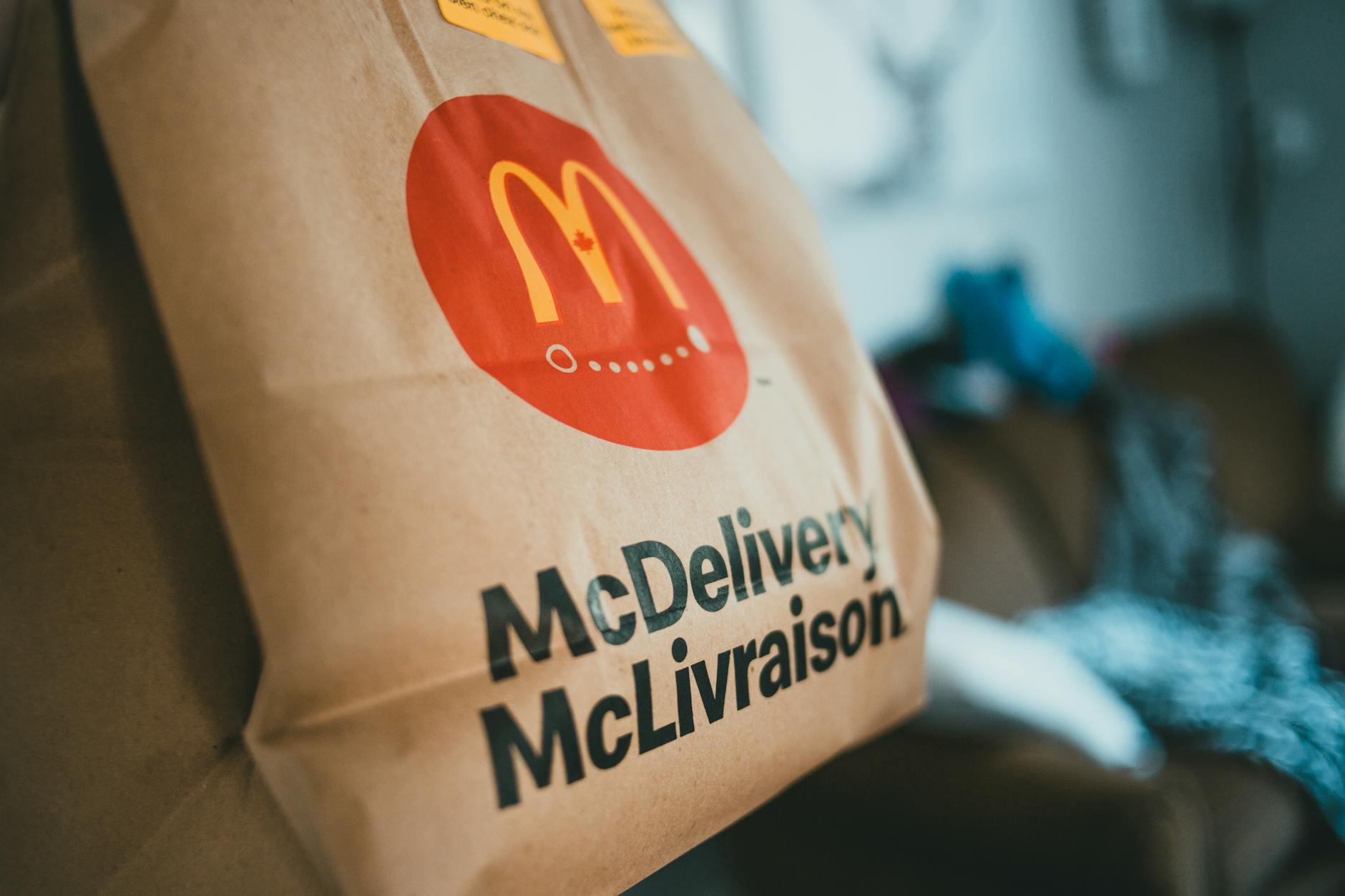
If you run a food business, manage a corporate catering operation, or organise large-scale events across Australia, you already know that first impressions matter — and they start well before the first bite. Branded food delivery bags are one of the most practical yet underutilised marketing tools in the hospitality and events space. They keep food hot (or cold), protect orders in transit, and put your brand squarely in front of customers every single time a delivery lands at their door. Whether you’re a Sydney café launching a meal kit delivery service, a Brisbane restaurant scaling up its takeaway operation, or a Melbourne corporate caterer outfitting a fleet of delivery drivers, this guide covers everything you need to know about sourcing, customising, and ordering food delivery bags that work as hard as your business does.
Why Branded Food Delivery Bags Are Worth the Investment
It’s tempting to think of food delivery bags as purely functional — something to keep the chips warm and the salad from wilting. But when you add your logo and branding to the equation, these bags become a mobile marketing channel.
Consider this: a delivery driver heading through the streets of Adelaide or Perth city centre is carrying your brand on their back or in their hands. Every pedestrian, every motorist, every other business owner who spots that bag is a potential customer receiving an impression of your brand. Unlike a social media ad that disappears after a few seconds, a well-made branded bag keeps delivering that exposure for months or even years.
Beyond brand visibility, there are several other compelling reasons to invest in quality branded food delivery bags:
- Professionalism: A properly branded bag signals to customers that you take your operation seriously. It elevates the perceived value of your service.
- Food safety: Insulated and temperature-controlled bags keep food at safe and appropriate temperatures, reducing the risk of spoilage or customer complaints.
- Order accuracy: Compartmentalised bags help drivers manage multiple orders without mix-ups, especially during peak periods.
- Staff cohesion: When all your delivery staff use matching, branded equipment, it builds team identity and reinforces your brand standards.
Types of Food Delivery Bags Available for Custom Branding
Not all food delivery bags are created equal, and the right choice depends heavily on what you’re delivering and how far it’s travelling. Here’s a breakdown of the most common styles available for custom branding in Australia.
Insulated Thermal Delivery Bags
These are the workhorses of the food delivery world. Insulated thermal bags use layers of foam or aluminium lining to maintain temperature — keeping hot food hot and cold items cold. They’re ideal for restaurants, meal kit companies, and corporate lunch deliveries. Sizes range from compact single-meal bags to large catering-grade carriers that can handle multiple orders simultaneously.
When it comes to decoration, these bags typically work best with screen printing or heat transfer due to the textured and often waterproof outer surfaces. If the bag has a flat nylon or polyester exterior, large-format prints with multiple colours are absolutely achievable. Turnaround times for custom-printed thermal bags generally sit between 10 and 20 business days depending on the supplier and the complexity of the artwork.
Backpack-Style Delivery Bags
Made famous by food delivery platforms, backpack-style bags are enormously popular for their ergonomic design and visibility. The large flat back panel is prime real estate for your logo or brand graphics — making these bags highly effective for brand exposure in busy urban areas like Melbourne’s CBD or Sydney’s inner suburbs.
Minimum order quantities (MOQs) for custom backpack delivery bags typically start at 25 to 50 units, though some suppliers offer lower minimums for smaller operators just getting started. If you’re also looking at outfitting your team with broader branded apparel, it’s worth pairing these bags with branded work polo shirts for men to create a cohesive, professional look for your delivery staff.
Flat-Pack Insulated Tote Bags
These collapsible, flat-pack style insulated bags are extremely popular with meal kit subscription businesses and grocery delivery services. They fold down when empty, making storage easy for both drivers and customers. Many businesses use these as a leave-with-the-customer option — which means your branding continues to deliver impressions long after the order has been eaten.
Given that these bags often end up in customers’ homes and kitchens, pairing them with other branded products like personalised travel mugs or branded coffee travel mugs as part of a welcome pack or loyalty gift can be a smart upsell strategy.
Cooler Bags and Beverage Carriers
For businesses delivering wine, craft beverages, or chilled goods, a dedicated cooler or beverage carrier is essential. These bags are excellent for wineries, breweries, and premium food brands. If you’re regularly sending out products as client gifts or corporate hampers, you might also want to explore wine cooler bags specifically designed for bottle protection and temperature retention.
How to Choose the Right Food Delivery Bag for Your Brand
Choosing the right bag comes down to four key considerations: purpose, durability, branding area, and budget.
Purpose and Function First
Start with the practical questions. What temperature do your products need to be maintained at? How far is the average delivery distance? Are bags being used by in-house staff or third-party contractors? A café in Hobart running short local deliveries has very different needs to a Darwin catering company managing large-scale event logistics.
Durability and Material Quality
Food delivery bags take a beating. They’re loaded, unloaded, thrown in vehicles, and used multiple times daily. Look for bags with reinforced seams, quality zippers, and easy-clean inner linings. Bags that fall apart after two months are false economy — especially when your logo is on them. Budget for quality, and your investment will last.
Branding Area and Decoration Method
Think carefully about where you want your logo to appear and how large you want it. Some bags offer multiple branding panels — the front, back, and even the sides or top. For bags with a smooth, flat exterior, screen printing can deliver vivid, full-colour results. For textured or soft-shell exteriors, heat transfer vinyl tends to produce cleaner edges. If you’re interested in understanding more about vinyl-based decoration techniques, our guide to vinyl print stickers covers the fundamentals of how vinyl decoration works across different surfaces.
Budget Considerations
Branded food delivery bags vary considerably in price depending on size, insulation quality, and decoration complexity. As a general guide for the Australian market:
- Basic insulated tote bags: $8–$20 per unit at mid-range MOQs
- Standard thermal delivery bags: $20–$50 per unit
- Professional backpack-style delivery bags: $40–$90 per unit
Setup fees for custom printing typically range from $50 to $150 depending on the number of print colours and screen complexity. Always factor in setup fees when comparing supplier quotes, particularly if you’re ordering smaller quantities.
Ordering Branded Food Delivery Bags: Practical Tips
Getting your order right the first time saves you time, money, and stress. Here are some practical tips to guide the process.
Prepare print-ready artwork. Most suppliers require vector artwork in AI or EPS format, with fonts converted to outlines. If your logo only exists as a low-resolution PNG, you may need to have it redrawn by a graphic designer before proceeding.
Request a physical or digital proof. Always ask to see a proof before your full run goes into production. A digital proof shows you the placement and scale of your artwork on the bag. If budget allows, request a physical sample — especially for large orders.
Order a buffer. Factor in a small buffer of 10–15% above your immediate needs. Bags get damaged, staff turnover happens, and you’ll want spares on hand without needing to reorder immediately and pay setup fees again.
Plan your lead time. Most Australian suppliers need 10–20 business days for custom food delivery bags once artwork is approved. If you have a launch date or event deadline, work backwards from that date and add at least a week of buffer. For urgent requirements, ask about express production options, though these typically come at a premium.
Think about the full uniform. If you’re outfitting a delivery team, don’t stop at the bag. A cohesive look across bags, shirts, and accessories builds brand authority. Our posts on branded printed tees and promotional jackets for teams are great starting points for building out a complete delivery team uniform.
Eco-Friendly Food Delivery Bags: A Growing Trend
Australian consumers are increasingly conscious of environmental impact, and food businesses are responding by sourcing more sustainable options. Reusable insulated bags made from recycled materials, certified-sustainable fabrics, and biodegradable inner linings are now available at competitive price points.
Switching to eco-friendly food delivery bags can also be a brand differentiator — particularly for businesses operating in markets like Melbourne or the ACT where sustainability values run high among consumers. If sustainability is central to your brand, pairing your delivery bags with other eco-conscious branded products makes a strong statement.
Conclusion: Key Takeaways for Ordering Food Delivery Bags
Branded food delivery bags are far more than a logistical necessity — they’re a mobile marketing asset, a customer experience touchpoint, and a sign of professional pride. Getting the right bag for your business takes a little planning, but the payoff in brand visibility and operational efficiency is well worth the effort.
Here are the key takeaways to keep in mind:
- Match the bag to your delivery needs first — insulation requirements, distance, and cargo type should drive your product selection before branding considerations.
- Invest in quality — bags that hold up to daily use protect your brand as well as your food; cheap bags with your logo on them reflect poorly on both.
- Plan your artwork early — vector files, colour matching, and proof approvals all take time, so give yourself a lead time buffer.
- Think beyond the bag — pair your food delivery bags with a broader team uniform strategy to build a truly professional, cohesive brand presence.
- Consider sustainability — eco-friendly options are increasingly available, competitively priced, and resonate strongly with today’s Australian consumers.
Whether you’re ordering 30 bags for a new Gold Coast food delivery startup or 500 units for a national catering brand, getting your food delivery bags right from the start will set your operation — and your brand — up for long-term success.