
Standard Photo Print Sizes Explained: What Australian Businesses Need to Know
Discover standard photo print sizes and how they apply to branded merchandise, corporate gifts, and promotional products for Australian businesses.

Written by
Dane Santos
Branding & Customisation
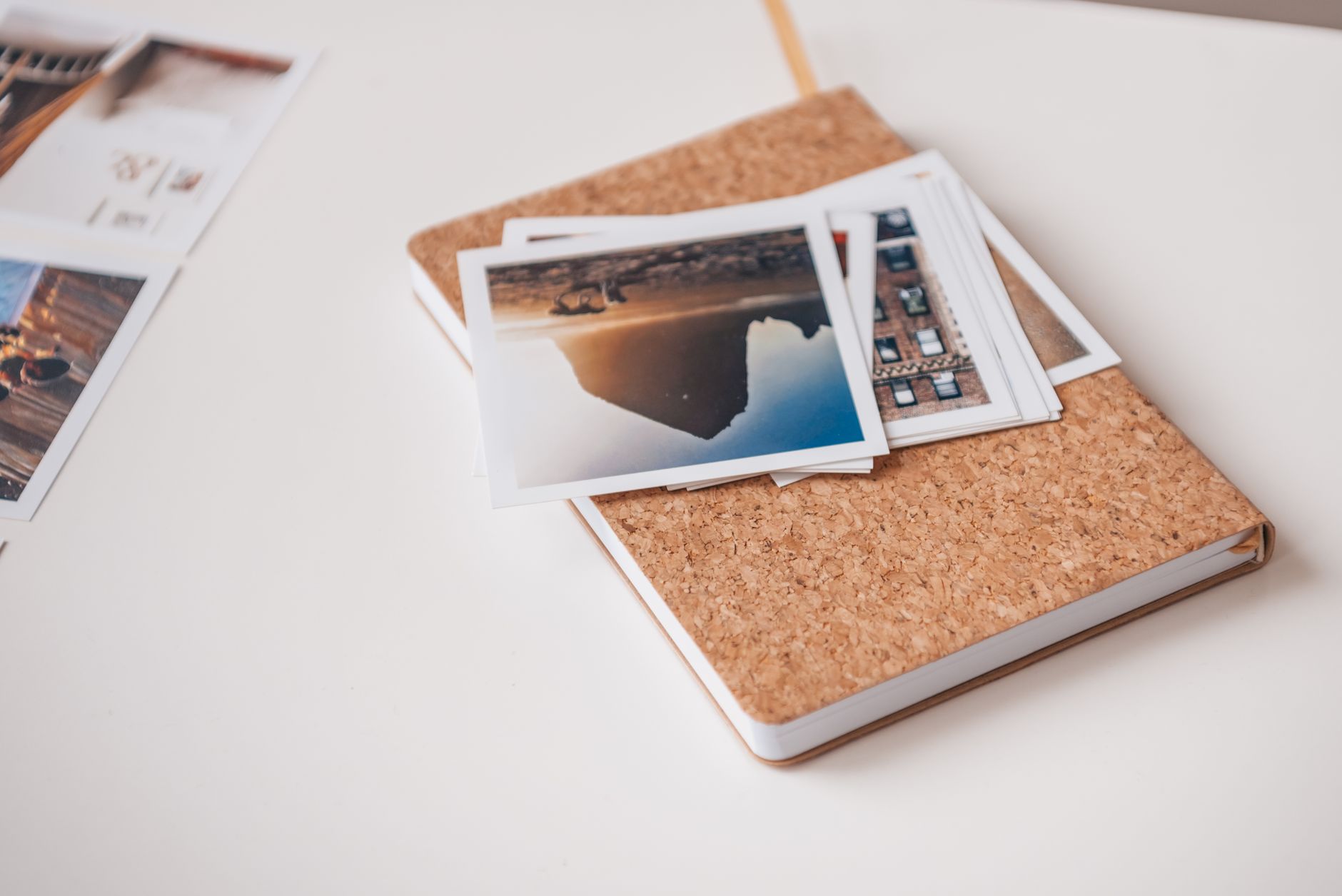
Getting your branded visuals exactly right starts long before you hand artwork over to a decorator. Whether you’re preparing photography for a corporate gift display, sourcing framed prints for a client appreciation package, or incorporating imagery into a promotional merchandise campaign, understanding standard photo print sizes is one of those foundational details that separates polished results from frustrating reprints. It’s the kind of knowledge that saves time, budget, and a lot of unnecessary back-and-forth with suppliers — and yet it’s often overlooked until something goes wrong.
Why Standard Photo Print Sizes Matter for Branded Merchandise
When Australian businesses invest in branded merchandise or corporate gifts that incorporate printed photography — think framed promotional prints, photo-branded drinkware, sublimated apparel, or personalised keepsakes — the quality of the final product hinges on how well the source image matches the intended output size.
Print sizes follow established standards because reproduction equipment, frames, display products, and substrates are manufactured to consistent dimensions. If your artwork or photography doesn’t align with those standards, you’ll either end up with unwanted cropping, unsightly borders, or (worst of all) pixelated results that undermine your brand’s credibility.
This matters particularly for:
- Corporate gifting campaigns where a personalised photo print, branded calendar, or sublimated product needs to look premium
- Event and conference merchandise where photography or team imagery is incorporated into giveaways
- Office décor and recognition items such as framed award prints, team photos, or milestone commemorations
- Marketing collateral that includes physical printed materials distributed alongside promotional products
Understanding how standard photo print sizes interact with different decoration methods will help you plan smarter and produce better results, regardless of where you’re based — from a Sydney CBD marketing team putting together a client gift pack, to a Brisbane events company sourcing conference merchandise.
The Most Common Standard Photo Print Sizes in Australia
Australia follows metric measurements, though the photo printing industry maintains a mix of metric and imperial sizing due to the global heritage of photographic standards. Here’s a breakdown of the most commonly used sizes and where they typically apply.
Wallet and Small Format Sizes
- 9 x 13 cm (approximately 3.5 x 5 inches): The classic small print, often used for inserts, promotional handouts, or wallet-sized keepsakes. Works well for trade show giveaways when tucked inside branded bags.
- 10 x 15 cm (4 x 6 inches): The most universally recognised photo print size. Widely used for standard photographic prints, postcards, and branded inserts. This size is a natural fit for products like vinyl print stickers and promotional inserts.
- 13 x 18 cm (5 x 7 inches): A step up from the standard, commonly used for portrait photography, greeting cards, and small framed gifts.
Mid-Range Standard Photo Print Sizes
- 15 x 20 cm (6 x 8 inches): A popular size for promotional photo prints used in corporate gifting, ideal for team photos or event photography presented as keepsakes.
- 20 x 25 cm (8 x 10 inches): A highly versatile mid-range size used extensively in corporate portraiture, award presentations, and framed recognition pieces.
- 20 x 30 cm (8 x 12 inches): Follows the proportional ratio of most digital cameras (3:2), making it a common choice when printing straight from digital files with minimal cropping required.
Large Format Sizes
- 28 x 35 cm (11 x 14 inches): Frequently chosen for display prints, office décor, and premium corporate gift framing.
- 30 x 40 cm (12 x 16 inches): A popular large format size for signage, feature walls, or premium framed presentation pieces.
- 40 x 50 cm (16 x 20 inches): Often used for conference backdrops, high-impact corporate displays, and premium wall art in reception areas.
For businesses exploring how advanced print technology can produce vibrant, high-quality results across merchandise items, our guide to UV printing technology for custom promotional merchandise is worth reviewing.
Understanding Aspect Ratios and Why They Affect Standard Photo Print Sizes
One of the most common causes of cropping and poor print outcomes is a mismatch between the aspect ratio of your image and the aspect ratio of your chosen print size. This is worth paying close attention to when incorporating photography into branded merchandise.
Most digital cameras and smartphones capture images at a 3:2 ratio (landscape) or 4:3 ratio. Standard print sizes, however, vary across different ratios:
- 4 x 6 inches (10 x 15 cm) = 3:2 ratio — matches most digital camera output perfectly
- 5 x 7 inches (13 x 18 cm) = 5:7 ratio — requires slight cropping from a 3:2 image
- 8 x 10 inches (20 x 25 cm) = 4:5 ratio — requires more significant cropping
When you’re incorporating team photography into products like sublimation prints or customised drinkware, these ratio differences determine exactly what portion of your image appears on the final product. Always confirm the aspect ratio requirements with your decorator before submitting artwork.
How Standard Photo Print Sizes Apply Across Different Merchandise Categories
Understanding print sizes isn’t just relevant for paper-based products. Many popular branded merchandise categories use photographic-quality printing where these size and resolution standards directly impact results.
Branded Drinkware
Sublimated or UV-printed drinkware — such as personalised travel mugs, custom water bottles, and wholesale personalised mugs — requires artwork prepared at the correct dimensions for the wraparound print area. For a standard 350ml mug, the print wrap area is approximately 20 x 9 cm, which doesn’t align with any standard photo print size. This means photo imagery needs to be recomposed and resized with attention to cropping.
Similarly, products like travelling mugs and water bottles have their own defined print areas that your artwork must be sized to match accurately.
Branded Apparel
When photographic imagery is incorporated into apparel decoration — particularly through sublimation on garments — the print area dimensions differ significantly from standard photo sizes. A chest print on men’s work polo shirts or sports t-shirts typically runs between 20 x 20 cm and 30 x 40 cm, meaning large format photo standards apply.
Exploring popular tee shirt brands will give you a sense of how different garment styles influence available print area dimensions.
Bags and Totes
Branded tote bags and sustainable branded bags often feature print areas of 20 x 20 cm or 25 x 25 cm — neither of which corresponds to a standard photo ratio. When using photography as the basis for bag decoration, always request a template or dieline from your supplier so you can confirm the safe area boundaries before finalising artwork.
Personalised Gifts
Premium corporate gifts such as personalised toiletry bags, wine bag coolers, and unique corporate gifts that incorporate photographic printing each have their own print specifications. The lesson is consistent: always get the print dimensions from your supplier before preparing or submitting artwork.
Resolution Requirements at Standard Photo Print Sizes
Knowing the size isn’t enough — you also need to ensure your image is the right resolution. The industry standard for print-quality photography is 300 DPI (dots per inch) at the intended output size.
What this means practically:
- A 10 x 15 cm (4 x 6 inch) print at 300 DPI requires an image of approximately 1800 x 1200 pixels
- A 20 x 25 cm (8 x 10 inch) print requires approximately 3000 x 2400 pixels
- A 40 x 50 cm (16 x 20 inch) print requires approximately 6000 x 4800 pixels
Smartphone cameras in 2026 are capable of producing images at sufficient resolution for most small to mid-range print sizes. However, heavily cropped images, screenshots, or images sourced from websites are often unsuitable for print and will produce visibly poor results.
For merchandise produced through sustainable branded cotton produce bags for markets or similar natural fabric products, decoration methods like screen printing have different resolution and artwork requirements — your supplier can advise on the appropriate file specifications.
Practical Tips for Managing Print Sizes in Merchandise Projects
Bringing a photo-incorporated merchandise project together smoothly requires a few practical habits:
Always request a supplier template. Before finalising artwork, ask your supplier for an actual-size template or dieline specific to your product. Don’t assume standard photo print sizes will match the product’s print area.
Prepare artwork at 300 DPI minimum. Even if your supplier accepts lower resolution files for proofing, the final production file should be 300 DPI at the intended print dimensions.
Understand bleed and safe zone requirements. Most print production requires 3–5 mm of bleed beyond the trim line. If your photo print or branded item has edge-to-edge imagery, confirm the bleed requirements.
Order a physical sample before bulk production. For orders of 50 or more units, it’s worth requesting a pre-production sample — particularly for sublimated products or premium gifts where colour accuracy is critical.
Account for colour profile conversions. Images captured on screen are typically in RGB colour mode. Print production uses CMYK. This conversion can shift colours, particularly in skin tones and brand colours. Work with your decorator to ensure accurate colour matching.
Whether you’re coordinating merchandise for Wollongong businesses in the Illawarra region or managing a national corporate gifting campaign from Melbourne or Adelaide, these principles apply consistently across the industry.
Conclusion: Getting Standard Photo Print Sizes Right From the Start
The world of standard photo print sizes might seem like a technical side note, but for businesses using photography in branded merchandise and corporate gifts, it’s genuinely foundational. Understanding which sizes are standard, how aspect ratios affect cropping, and what resolution your artwork needs will help you avoid costly mistakes and produce merchandise that genuinely reflects your brand’s quality.
Key takeaways:
- The most common standard photo print sizes in Australia range from 10 x 15 cm (wallet size) through to 40 x 50 cm (large format), each suited to different applications
- Aspect ratio mismatches between your source image and your chosen print size will cause unwanted cropping — always check before committing to a size
- A minimum resolution of 300 DPI at the final output size is the industry standard for print-quality results
- Branded merchandise products (drinkware, apparel, bags) have their own print area dimensions that may not align with standard photo sizes — always request a supplier template
- Ordering a physical sample before bulk production is the most reliable way to confirm colour accuracy, sizing, and overall quality
With the right preparation and a clear understanding of print size requirements, your next branded merchandise campaign or corporate gifting project will deliver results that stand up to scrutiny — and genuinely impress the people who receive them.