
Business Card Printing in Australia: What Every Professional Needs to Know
Everything Australian businesses need to know about business card printing — finishes, formats, costs, and how to order with confidence.

Written by
Lydia Park
Stationery & Office
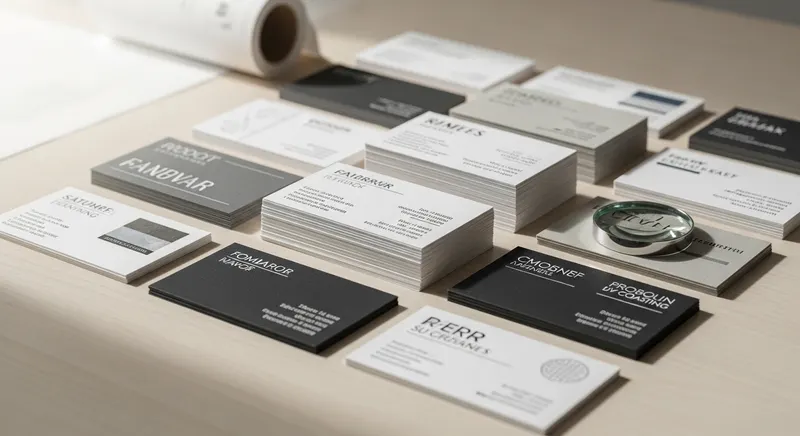
First impressions count. Whether you’re handing one over after a boardroom meeting in Sydney, exchanging details at a trade expo in Melbourne, or networking at a Brisbane industry event, a well-crafted business card still does something a phone number exchange simply cannot — it leaves something tangible behind. In a world increasingly dominated by digital everything, business card printing remains one of the most cost-effective and powerful branding tools available to Australian professionals and businesses. But with so many options available — paper stocks, finishes, sizes, printing methods, and turnaround times — navigating the process can feel overwhelming if you haven’t done it before. This guide breaks it all down so you can order with confidence and end up with cards that genuinely represent your brand.
Why Business Cards Still Matter in 2026
It might seem counterintuitive in the era of LinkedIn and digital wallets, but the humble business card has proved remarkably resilient. Research consistently shows that physical branded touchpoints create stronger recall than digital ones. There’s a psychological weight to handing someone something they can hold, file away, and return to days later.
For corporate teams, event organisers, and small business owners alike, business cards serve a specific function that no app replicates: they create an immediate, professional, personal connection. A Perth financial adviser, a Gold Coast real estate agent, or a Canberra government consultant all benefit from having well-designed cards ready to go.
Beyond networking, business cards are also a low-cost entry point into branded merchandise. They’re often the first branded item a new business orders, and getting that experience right sets the tone for how you approach broader promotional products down the track — from branded tote bags to personalised travel mugs used as client gifts.
Understanding Your Business Card Printing Options
Paper Stock and Weight
One of the first decisions you’ll make is choosing your card stock. In Australia, most professional printers offer a range from around 300gsm up to 600gsm or more for premium options. Here’s a quick breakdown:
- 350–400gsm: The sweet spot for most professional cards. Sturdy, feels quality without being excessive.
- 450–600gsm: Thick, premium cards that make a serious impression. Often used for luxury brands, senior executives, or industries where premium positioning matters (finance, law, real estate).
- Recycled or uncoated stock: Ideal for businesses with sustainability commitments — a natural, earthy feel that aligns well with eco-conscious branding.
The weight and texture of your card communicates something before anyone reads a single word on it. Choose accordingly.
Finishes That Elevate Your Cards
The finish you apply over your printed design dramatically affects the look, feel, and durability of your business card. The most common options include:
- Gloss laminate: High shine, vivid colours, popular for photography businesses, real estate, and event brands.
- Matte laminate: Soft, understated, professional. Increasingly popular with corporate teams in Melbourne and Sydney who want a modern, refined aesthetic.
- Soft-touch/velvet laminate: A tactile, almost suede-like finish. Premium, memorable, and genuinely impressive.
- Spot UV: A gloss coating applied to specific areas of the card, creating contrast between matte and shiny sections. Great for highlighting logos or key details.
- Foil stamping: Gold, silver, or coloured metallic foil applied to select areas. Visually striking and ideal for premium brands.
Don’t underestimate the power of finish. A well-chosen laminate or foil effect can transform an ordinary card into something people actually keep.
Sizes and Shapes
The standard Australian business card size is 90mm x 55mm — the same size as a credit card and designed to fit neatly into wallets and cardholders. However, there are alternatives worth considering:
- Square cards (55mm x 55mm): Eye-catching and distinctive, particularly popular with creative industries.
- Slim cards (90mm x 45mm): A more minimal, modern feel.
- Custom die-cut shapes: These can be cut to almost any silhouette — a great option for brands in the food, beauty, or novelty space where memorability is everything.
For most corporate clients, standard sizing is the way to go. It’s practical, universally expected, and ensures your card fits in every cardholder or wallet without issue.
Business Card Printing Methods Explained
Understanding the decoration and printing method behind your cards helps you make smarter decisions about what’s achievable within your budget.
Digital Offset Printing
The most common method for business card printing in Australia. Digital offset delivers sharp, high-resolution results across both sides of the card and is cost-effective at most quantities. Perfect for businesses ordering 250–1000 cards in one run.
Letterpress Printing
A traditional printing method that presses ink (or leaves a debossed impression) into thick card stock. Letterpress cards have a distinctly premium, handcrafted quality — tactile, beautiful, and impressive. They suit boutique businesses, designers, consultants, and anyone where craft or artistry is central to their brand identity. Expect higher per-unit costs and longer turnaround times.
Foil and Embossing
These are enhancement techniques applied after the base print. Foil stamping uses heat and metallic film; embossing creates raised surfaces on the card. Both are best handled by specialist printers and typically have higher setup costs — but the result speaks for itself.
UV Printing
Digital UV printing is an increasingly popular method for short-run, high-impact cards. It produces vivid, durable results with excellent colour accuracy. If you’re curious about how UV printing technology works more broadly across branded merchandise, our guide to UV printing technology for custom promotional merchandise is worth a read.
Budgeting for Business Card Printing
Pricing for business card printing in Australia varies considerably based on quantity, stock, finish, and complexity. Here’s a rough guide to help you plan:
| Quantity | Approximate Cost Range |
|---|---|
| 100 cards | $30–$70 |
| 250 cards | $50–$120 |
| 500 cards | $80–$200 |
| 1,000 cards | $120–$350 |
| 2,500+ cards | $250–$700+ |
Premium finishes like foil, letterpress, or soft-touch laminate will push costs toward (or beyond) the upper end of these ranges. Setup fees — which cover artwork preparation, colour calibration, and plate creation — may be charged separately, typically ranging from $30 to $100 depending on the job complexity.
For corporate teams placing bulk orders for multiple employees across offices in different cities, it’s worth asking about consolidated pricing. Many suppliers will discount per-unit rates when you bundle a large team order, even if individual card designs vary.
Ordering Tips to Avoid Costly Mistakes
Before you submit your artwork for business card printing, run through this checklist:
- Set your document to CMYK colour mode. Screen colours (RGB) reproduce differently in print. Always convert to CMYK before exporting your final file.
- Check your bleed area. Standard bleed for Australian print suppliers is 3mm on all sides. Any design elements or backgrounds that extend to the card edge need to include bleed, or you’ll end up with white borders.
- Confirm your resolution. Images and logos should be at least 300 DPI at full size. Low-res files produce blurry, unprofessional results.
- Proofread everything. Phone numbers, email addresses, website URLs, and job titles all need to be verified before you approve a proof. Reprinting due to a typo is a frustrating and avoidable cost.
- Request a physical proof. For large or premium orders, always request a physical proof before the full print run. Digital proofs on screen don’t always represent the final print accurately.
Complementing Your Business Cards With Branded Merchandise
Business cards are rarely a standalone strategy. The smartest brands think about the full suite of branded touchpoints — what someone sees, receives, and interacts with before, during, and after a meeting or event. Your business cards sit within that broader ecosystem.
If you’re preparing for a conference or trade expo, for instance, you might pair your cards with branded vinyl stickers for giveaways, personalised notebooks for client welcome packs, or custom water bottles for your exhibition stand. Each item reinforces the same brand identity that your card communicates.
For businesses building out their full branded merchandise strategy, it’s also worth exploring sustainable promotional products — particularly if your audience or industry values environmental responsibility. Pairing a sustainably printed business card with a recycled tote or branded cotton produce bag sends a consistent, values-aligned message.
Event organisers in particular often overlook how well business cards work alongside other collateral. A lanyard with your logo, a personalised mug as a speaker gift, or even branded polo shirts for your team on the day — all of these work together to create a cohesive, professional experience.
Turnaround Times and What to Expect
Standard business card printing in Australia typically runs on a 5–10 business day turnaround from artwork approval. Rush options are often available (2–3 business days) at a premium, so if you have an upcoming event or a new team member starting on a specific date, plan ahead.
For businesses in regional areas like Wollongong or beyond the major capital cities, factor in additional delivery time. If you’re sourcing branded items for the Illawarra region and surrounds, our overview of branded merchandise for the Wollongong and Illawarra region has some useful context on logistics and local sourcing considerations.
Key Takeaways
Business card printing is one of the most accessible, impactful, and cost-effective branding investments an Australian business can make. Done well, it elevates your professional image and creates lasting impressions. Here are the essentials to keep in mind:
- Choose your stock weight and finish deliberately — the tactile experience of your card communicates your brand values before a word is read.
- Always supply print-ready artwork — CMYK colour mode, 300 DPI resolution, and 3mm bleed are non-negotiable for quality results.
- Budget for the full job, including setup fees, finishes, and any physical proofing costs — not just the per-card unit price.
- Consider business card printing as part of a broader branded merchandise strategy — cards work best when they’re consistent with your other branded touchpoints.
- Plan your timeline carefully, particularly if you have a firm deadline like a conference, product launch, or new staff onboarding.
Whether you’re a solo operator in Adelaide ordering your very first set of cards, or a Melbourne corporate team refreshing branding across 200 employees, getting your business card printing right is absolutely worth the attention. It’s one of the smallest investments you can make — with one of the biggest returns per impression.