
Custom Vests for Government Departments in Australia: The Complete Ordering Guide
Learn how Australian government departments can order custom vests — from hi-vis to softshell — with tips on decoration, MOQs, and compliance.

Written by
Rory Singh
Safety & Workwear
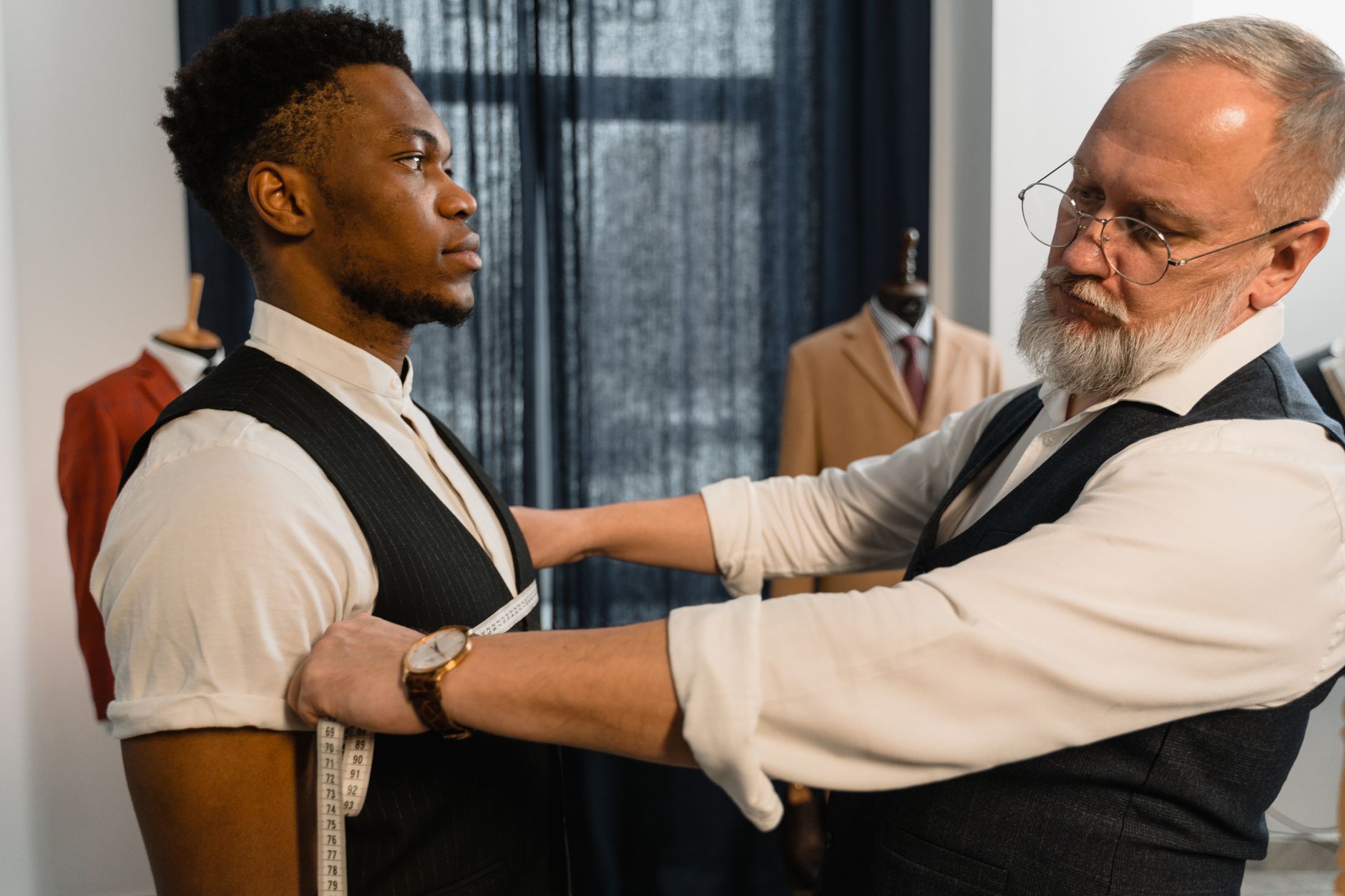
When government staff step onto a worksite, attend a community event, or manage an emergency response, visibility and professional identification aren’t optional — they’re essential. Custom vests for government departments in Australia serve a dual purpose: they keep workers safe and instantly communicate authority and affiliation to the public. Whether you’re outfitting a council ranger team in Brisbane, a state roads department crew in regional New South Wales, or a federal agency’s field inspectors in Perth, getting the right custom vest for your team requires careful thought around compliance, decoration, branding, and procurement processes. This guide walks you through everything you need to know.
Why Government Departments Rely on Custom Vests
Government departments operate across an extraordinary range of environments — from busy urban streetscapes to remote outback infrastructure projects. In almost every scenario, vests play a critical role in staff identification, team cohesion, and public-facing professionalism.
Unlike a simple t-shirt or polo, a vest offers versatility that suits the unpredictable nature of government fieldwork. It can be worn over a uniform shirt in cooler weather, layered under a jacket on a cold Canberra morning, or worn independently in the heat of a Darwin summer. For departments managing public spaces, conducting inspections, or coordinating emergency services, that layering flexibility is invaluable.
There’s also the public trust element. When a council officer approaches a resident or a government agency representative attends a consultation event, a well-branded vest communicates legitimacy. It tells people immediately who they’re dealing with, which matters enormously in community-facing roles.
Custom vests for government departments in Australia also support procurement officers who need consistent, uniform presentation across large teams — sometimes spanning multiple regions or states. A standardised vest program ensures that whether a team member is in Adelaide or Hobart, they look like part of the same organisation.
Types of Vests Suitable for Government Departments
Choosing the right vest style depends on the work environment, safety requirements, and budget. Here’s a breakdown of the most common options.
Hi-Vis Safety Vests
High-visibility vests are the most commonly ordered style for government departments with outdoor or roadside operations. These are worn by traffic management crews, council workers, parks and wildlife officers, and emergency services support staff. In Australia, hi-vis vests used in high-risk environments must meet the AS/NZS 4602.1 standard for high visibility safety garments. Compliant vests feature retroreflective tape in specific configurations and are available in Class D (day use) and Class D/N (day and night use) variants.
If your team works near traffic, on construction sites, or in low-light conditions, compliance with this standard isn’t negotiable. When ordering custom hi-vis vests, always confirm with your supplier that the base garment meets the relevant standard before adding branding.
For related safety product procurement across industrial settings, it’s also worth exploring promotional first aid kits for manufacturing plants in Australia, which often accompany hi-vis gear in comprehensive safety rollouts.
Mesh and Lightweight Identification Vests
Not every government role requires full safety compliance. For roles like event marshalling, community consultation officers, park rangers during public events, or tourism and visitor services staff, a lightweight mesh identification vest is often more appropriate. These are typically available in bright solid colours (orange, yellow, green, blue) and are easy to don and remove over regular clothing. They’re cost-effective, making them ideal for larger teams or volunteer-supported programs.
Softshell and Fleece Vests
For government staff working in office environments or conducting community engagement in colder climates — think Melbourne in July or the ACT through winter — softshell and fleece vests offer a premium, corporate-looking option. These are excellent for senior staff, department heads, or anyone attending public forums and intergovernmental meetings. Softshell vests with embroidered logos project a polished, professional image that reflects well on the department.
Reflective Polo Vests
A hybrid between a polo shirt and a safety vest, reflective polo vests are popular with council staff, security personnel, and parking officers. They combine the professional appearance of a collared shirt with the identification value of a reflective garment. These are often used by local government departments across Sydney, Melbourne, and Brisbane where staff are highly visible to the public throughout the day.
Decoration Methods for Government Vest Branding
The decoration method you choose will significantly impact both the look and longevity of your branded vests. Government procurement typically demands durability — these garments go through frequent washing, exposure to outdoor conditions, and years of regular use.
Embroidery
Embroidery is widely used on softshell, fleece, and polo vests where a premium, professional finish is required. It’s extremely durable, withstands repeated washing, and conveys authority. Ideal placement is the left chest for the department name or logo, with optional sleeve or back embroidery for larger crests or identifiers. Embroidery does have a higher setup cost due to digitisation fees, but the per-unit cost decreases significantly with larger orders — which is standard for most government procurement.
Screen Printing
Screen printing is a cost-effective option for mesh identification vests and polyester hi-vis garments. It’s best suited to bold, flat designs and works well for large back prints like “RANGER”, “COUNCIL STAFF”, or agency names. If you’re ordering in volume, screen printing offers excellent economies of scale. You can learn more about how this process works in our guide to screen printing on custom t-shirts in Australia and our overview of screen printing services for promotional products in Sydney.
Heat Transfer and UV Printing
For more detailed artwork, photographic logos, or multi-colour crests, heat transfer and UV printing can achieve results that embroidery and screen printing cannot. UV printing technology for custom promotional merchandise has advanced significantly and is increasingly viable for certain vest fabrics and finishes.
Reflective Transfers
On hi-vis vests requiring custom identification text or additional branding beyond the standard reflective tape, reflective heat transfers can be applied. These are commonly used to add department names, unit identifiers, or role titles in a highly visible format.
Custom Vests for Government Departments in Australia: Ordering Considerations
Minimum Order Quantities (MOQs)
Most vest suppliers in Australia operate with MOQs ranging from 10 to 50 units, depending on the garment style and decoration method. Hi-vis safety vests with screen printing often have a lower MOQ due to simpler setup requirements, while embroidered softshell vests may require a minimum of 20 to 30 units to make setup costs worthwhile. For government departments ordering across multiple divisions or cost centres, it’s common to consolidate orders to reach better pricing tiers.
Sizing and Fit Ranges
Government teams are diverse, and it’s essential that your vest supplier offers a comprehensive size range — from XS to 5XL at minimum. Some specialist suppliers offer gender-specific fits, which improves comfort and professional appearance for mixed-gender teams. Always request a size run breakdown before placing your order.
Turnaround Times and Government Procurement Cycles
Standard turnaround for custom vests in Australia typically runs between 10 and 20 business days after artwork approval, depending on the decoration method and quantity. Rush orders may be available at a premium. For government departments operating within procurement cycle deadlines or financial year budget periods, planning well ahead is critical. Aim to begin your order process at least six weeks before you need the garments in hand.
Artwork and Branding Compliance
Government agencies often have strict brand guidelines governing logo usage, colours, and typefaces. Ensure your decorated vests comply with your department’s brand standards before submitting artwork for production. Most reputable suppliers will provide a digital proof for sign-off before any decoration begins — always review this carefully before approving.
Budgeting for a Government Vest Program
Budget varies considerably by vest type and quantity. Mesh identification vests can be sourced from as little as $8 to $15 per unit with basic screen printing, making them accessible for large volunteer programs or community events. Hi-vis compliant vests with reflective tape and custom branding typically range from $20 to $45 per unit. Premium softshell or fleece vests with embroidery sit in the $45 to $90 range, depending on the garment quality and complexity of decoration.
When budgeting for a broader branded merchandise program, it’s worth exploring promotional gifts for business that can complement your vest rollout — such as branded notebooks, lanyards, or custom water bottles for staff onboarding or public engagement events. Government teams attending expos or community days can also pair their branded vests with items like reusable shopper bags, branded tote bags, or custom water bottles to create a cohesive brand presence.
For departments that value sustainability in their procurement decisions, exploring sustainable branded bags for corporate social responsibility or sustainable branded cotton produce bags for markets can support broader environmental commitments.
Beyond Vests: Complementary Merchandise for Government Teams
Custom vests rarely exist in isolation. Government departments often run broader branded merchandise programs for conferences, staff events, public awareness campaigns, and community outreach. Items like promotional notebooks, branded pens for registration desks, and personalised mugs are commonly ordered alongside workwear to round out a department’s branded presence.
If your department is based in regional areas, it’s worth noting that suppliers increasingly cater to non-metropolitan locations. For example, branded merchandise solutions for the Illawarra region highlight how teams outside major cities can access the same quality products without compromise. For unique occasions or staff recognition programs, unique corporate gifts in Australia can add a meaningful touch beyond standard workwear.
Key Takeaways
Ordering custom vests for government departments in Australia doesn’t have to be complicated — but it does require attention to detail. Here’s what to keep in mind:
- Choose the right vest type for the work environment: hi-vis safety vests for outdoor and traffic-exposed roles, mesh ID vests for events and community roles, and softshell or fleece vests for office and public engagement settings.
- Confirm safety compliance before ordering hi-vis garments — ensure the base garment meets AS/NZS 4602.1 where required, particularly for roadside or construction-adjacent roles.
- Select the appropriate decoration method — embroidery for professional longevity, screen printing for cost-effective volume orders, and heat transfer for detailed or multi-colour artwork.
- Plan well ahead of procurement deadlines — allow at least six weeks from order placement to delivery, especially for large or complex jobs.
- Integrate your vest program into a broader branded merchandise strategy, combining workwear with complementary items for staff, events, and community engagement to maximise your department’s brand presence.
When done well, custom vests for government departments in Australia do far more than dress a team — they build public confidence, reinforce brand identity, and contribute to a culture of professionalism that reflects the values of government service.