
Hi Vest Jackets for Branded Workwear: The Complete Australian Guide
Everything Australian businesses need to know about branded hi vest jackets — decoration, ordering tips, MOQs, and top use cases.

Written by
Rory Singh
Safety & Workwear
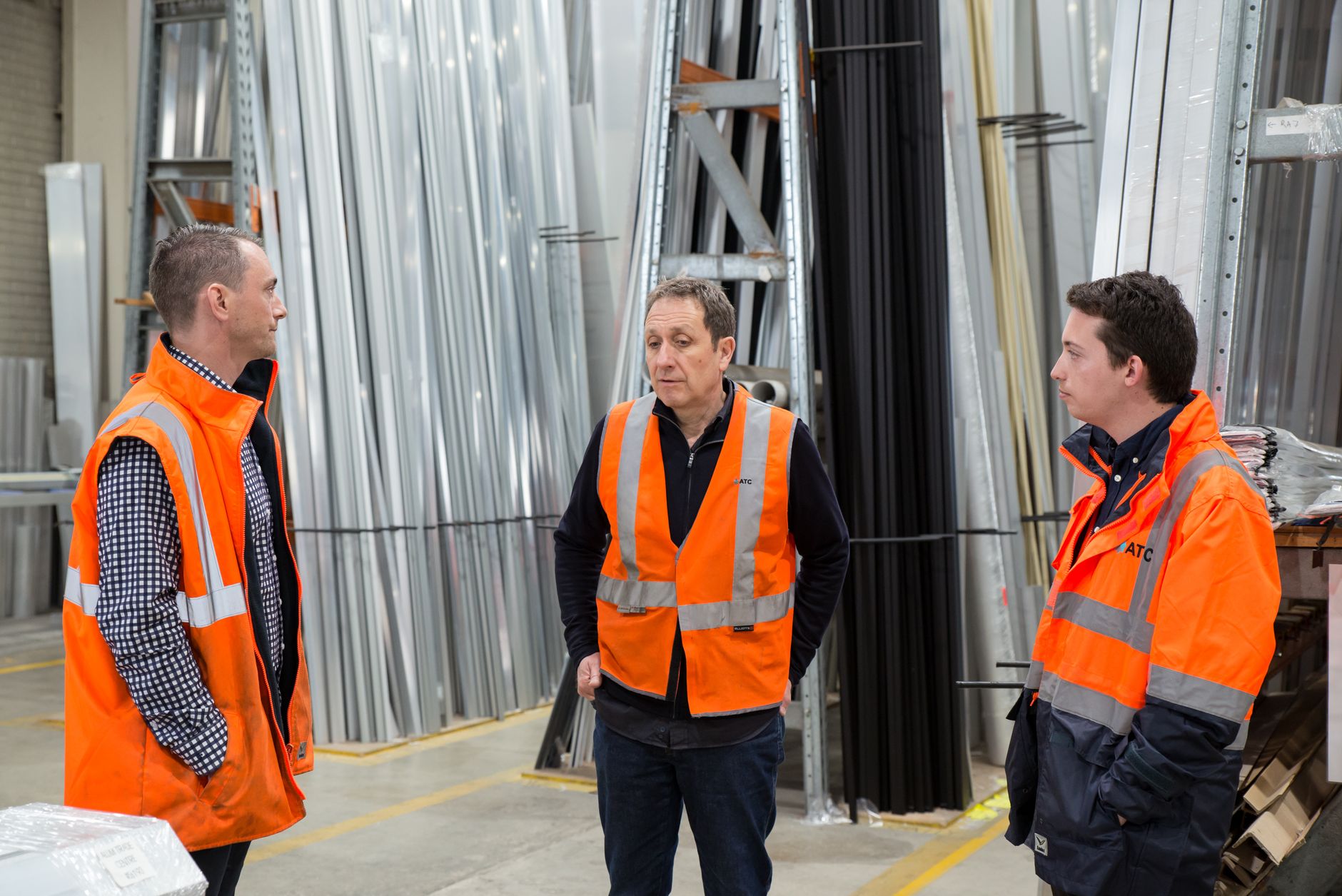
If your team works outdoors, manages events, or operates on job sites, hi vest jackets might just be the most practical piece of branded workwear you’ll ever invest in. Combining the high-visibility safety features of a traditional hi-vis vest with the warmth and coverage of a jacket, these garments are fast becoming a staple across Australian industries — from construction and logistics to local councils and outdoor events. Whether you’re outfitting a Perth mine site crew, managing a Brisbane outdoor festival, or keeping a Melbourne road works team safe and warm through winter, the right hi vest jacket does a lot of heavy lifting. This guide covers everything you need to know about selecting, decorating, and ordering branded hi vest jackets for your organisation.
What Are Hi Vest Jackets and Why Do They Matter?
Hi vest jackets — sometimes called hi-vis vests with sleeves, or visibility zip-through jackets — are a hybrid garment designed to offer both safety compliance and functional warmth. Unlike a standard safety vest that sits open on the sides, hi vest jackets typically feature a full front zip, long or short sleeves, and multiple pockets, all while maintaining the fluorescent yellow, orange, or red colouring and retro-reflective tape required under Australian safety standards.
In Australia, workers in many industries are legally required to wear high-visibility clothing that meets the AS/NZS 4602.1:2011 standard. This standard defines the classification of garments (Class D for daytime use and Class D/N for day and night use), and hi vest jackets that comply with this standard are suitable for everything from road construction to warehouse operations.
Beyond compliance, these garments have become a powerful branding canvas. With generous space across the chest, back, and sleeves, hi vest jackets offer some of the most visible real estate of any piece of workwear. Your logo doesn’t just sit on someone’s desk — it moves through worksites, streets, and events, creating impressions wherever your team goes.
It’s worth noting that hi vest jackets aren’t exclusively a safety product anymore. Event management companies, volunteer organisations, and corporate teams running outdoor activations regularly use non-compliant hi-vis style jackets purely for visibility and team identification, even when AS/NZS compliance isn’t required.
Choosing the Right Hi Vest Jacket for Your Team
Not all hi vest jackets are created equal, and selecting the right style matters enormously depending on your application. Here’s what to consider before placing an order.
Compliance vs Non-Compliance Needs
First, determine whether your team legally requires AS/NZS 4602.1 compliant garments. If you’re operating near traffic, on a construction site, in a mining environment, or in any role governed by Safe Work Australia guidelines, compliance is non-negotiable. Look for garments that clearly state their compliance rating and tape class. If you’re using hi vest jackets purely for team identification at events or activations, you have more flexibility in styling and budget.
Fabric Weight and Climate
Australia’s climate varies enormously. A Darwin or Cairns team may only need a lightweight, breathable mesh-backed hi vest jacket, while a Hobart or Canberra crew working through winter will need something with fleece lining or windproof outer shell fabric. Many suppliers offer hi vest jackets in weights ranging from around 100gsm polyester for warm climates up to padded or softshell constructions for cold environments. Getting the fabric weight right ensures your team actually wears the garment — which is the whole point.
Pocket Configuration and Functionality
Consider how your team uses their hands and what they need to carry. Hi vest jackets designed for trade professionals often feature chest pockets, lower hand-warming pockets, pen loops, and even radio or phone holder pockets on the sleeve. For event staff or corporate teams, a cleaner, more streamlined design may be preferable.
Sizing and Fit
Ensure your supplier offers a broad size range. Australian workwear teams are diverse, and a quality hi vest jacket range should comfortably size from XS through to 5XL or beyond. Always request a size chart and, where possible, order samples before committing to a full run.
Decoration Methods for Hi Vest Jackets
Getting your branding right on a hi vest jacket requires understanding which decoration methods work best on these specific garments. The reflective tape, fluorescent fabric, and often textured surfaces all influence what’s possible.
Embroidery
Embroidery is one of the most popular and durable choices for hi vest jackets. It works well on the chest (left or right), the back yoke area, and on sleeves. Embroidered logos have a premium, professional finish and stand up exceptionally well to washing, outdoor conditions, and heavy use. Keep in mind that embroidery on very lightweight or stretchy fabric can cause puckering, so always confirm with your decorator that the garment is suitable. For industries like mining, utilities, and emergency services, embroidery is often the preferred standard.
Heat Transfer and Transfer Printing
Heat transfer vinyl (HTV) and screen-printed transfers are commonly used on hi-vis garments, particularly for back prints and larger designs. High-quality heat transfers adhere well to polyester fabrics — which most hi vest jackets are made from — and can accommodate more complex colour gradients than embroidery. This makes heat transfer a strong option when your logo includes fine detail or multiple colours. You can read more about how decoration methods compare in our guide to screen printing on custom t-shirts in Australia.
Direct Screen Printing
For back prints or large logo placements on hi vest jackets, direct screen printing can be effective — particularly on cotton-poly blends. It’s worth noting that screen printing on fluorescent polyester requires specialised inks to maintain vibrancy and opacity. Our overview of screen printing services in Sydney covers what to look for when choosing a printer for technical fabrics.
Laser Engraving and Pad Printing
These methods aren’t applicable to fabric garments but are worth mentioning if your hi vest jacket project includes branded accessories like zip pulls, hard hat inserts, or woven labels. For broader merchandise campaigns that complement your workwear, our article on UV printing technology for custom promotional merchandise explores how advances in decoration are opening new possibilities.
Ordering Hi Vest Jackets: What You Need to Know
Minimum Order Quantities
Most Australian suppliers of branded hi vest jackets operate with MOQs starting at around 10–25 units, though some promotional apparel suppliers may go lower for heat transfer decoration. If you’re ordering for a small team, it’s worth asking about low-MOQ options or blank-plus-decoration arrangements where you source the garment and printing separately.
Bulk pricing tiers typically kick in at 25, 50, and 100+ units, with meaningful savings per unit as quantities increase. For a Sydney construction firm kitting out 200 site workers, for instance, the per-unit cost can drop significantly compared to a smaller run.
Turnaround Times
Standard turnaround for branded hi vest jackets in Australia is typically 10–15 business days from artwork approval, though rush production (at additional cost) is sometimes available. If you’re working to a site opening, event date, or compliance deadline, factor in extra time for artwork revisions, sample approval, and shipping — particularly if you’re in a regional area or ordering from interstate. Teams in the Illawarra or regional NSW can explore local branded merchandise options for the region to reduce lead times.
Artwork Requirements
For embroidery, you’ll need your artwork converted to an embroidery file (DST or similar) — most decorators can handle this conversion from a vector file (AI or EPS) for a one-off setup fee, typically between $30 and $80. For heat transfer or screen printing, supply your logo as a vector file at the correct dimensions with Pantone/PMS colour references where possible. PMS matching ensures your brand colours are accurate across every garment.
Budgeting
Hi vest jackets range considerably in price depending on compliance rating, fabric weight, and decoration. Expect to pay:
- Non-compliant, lightweight event jackets: $18–$35 per unit (undecorated), decoration from $5–$12 extra
- AS/NZS compliant, mid-weight workwear jackets: $40–$75 per unit (undecorated), decoration from $8–$18 extra
- Heavy-duty compliant jackets with fleece or padded lining: $65–$120+ per unit
Always request a written quote that includes setup fees, sample costs, and freight.
Industry Applications: Who Uses Branded Hi Vest Jackets?
Hi vest jackets turn up across a remarkable range of sectors in Australia. Here are some of the most common use cases.
Construction and Civil Works: The most obvious application. From sole-operator tradies to multi-national construction firms, compliant hi vest jackets are an everyday necessity. Branding them creates a consistent, professional image on site.
Local Government and Councils: Councils across NSW, Victoria, Queensland, and South Australia regularly procure branded hi vest jackets for outdoor maintenance crews, rangers, and inspection teams. Budgets and procurement processes in this sector often require compliant garments with durable decoration.
Events and Festivals: Event management companies and volunteers at outdoor events — music festivals, sporting events, community markets — often use hi-vis style jackets for staff identification. These may not require full AS/NZS compliance but need to be highly visible and clearly branded.
Logistics and Warehousing: Freight, courier, and warehouse teams across Melbourne, Brisbane, and Sydney frequently use branded hi vest jackets as part of a broader uniform program that might also include custom water bottles or branded tote bags for corporate gifting alongside practical workwear.
Emergency Services and Volunteer Organisations: SES, Rural Fire Service volunteer support roles, and community first responder groups often require hi-vis identification. This pairs naturally with other safety-focused branded products — see our article on promotional first aid kits for manufacturing plants for related ideas.
Corporate Site Tours and Media Events: When executives, investors, or media visit industrial sites, branded hi vest jackets keep the brand visible while ensuring site safety compliance.
Building a Complete Branded Workwear Program
Hi vest jackets are rarely ordered in isolation. The most effective workwear programs consider the full uniform picture — and often extend into broader promotional merchandise campaigns. If you’re planning a larger branded rollout, explore our guide to promotional gifts for business for ideas that complement workwear, or browse our unique corporate gifts for Australian organisations for client-facing items that sit alongside your team’s practical workwear.
For businesses looking to make sustainable choices across their merch program, our piece on sustainable branded bags for corporate social responsibility is worth a read — particularly if your organisation reports on environmental performance and wants its merchandise procurement to align with stated values.
And if you’re heading to a trade show or industry event alongside your site-based work, check out the latest insights on trade show attendance trends in the promotional products industry to make the most of your branded presence.
Key Takeaways
Choosing the right hi vest jackets for your organisation doesn’t have to be complicated. Keep these points front of mind:
- Compliance first: Always determine whether your hi vest jackets need to meet AS/NZS 4602.1:2011 before selecting a product — non-compliance in regulated environments can have serious legal and safety consequences.
- Match fabric to climate: Australia’s varied climate means a one-size garment won’t suit all teams — choose weight and construction based on where your people actually work.
- Choose decoration wisely: Embroidery offers durability and a premium look; heat transfer works well for larger or more detailed back prints on polyester fabrics.
- Plan your timeline: Allow at least 10–15 business days from artwork approval, and build in extra time for samples and revisions when ordering for the first time.
- Think beyond the vest: Hi vest jackets are most effective as part of a broader, cohesive workwear and branded merchandise program that reflects your organisation’s identity and values consistently.